
Comparison
10 big camera differences between iPhone Duo and Galaxy Z Fold 8


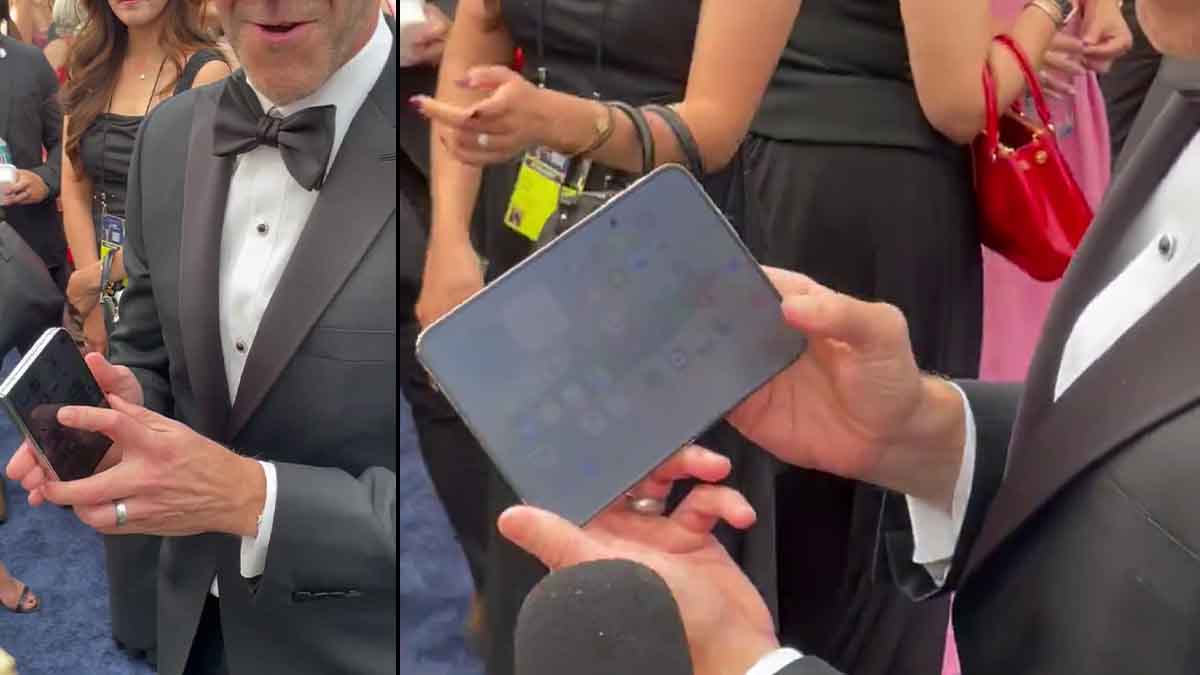
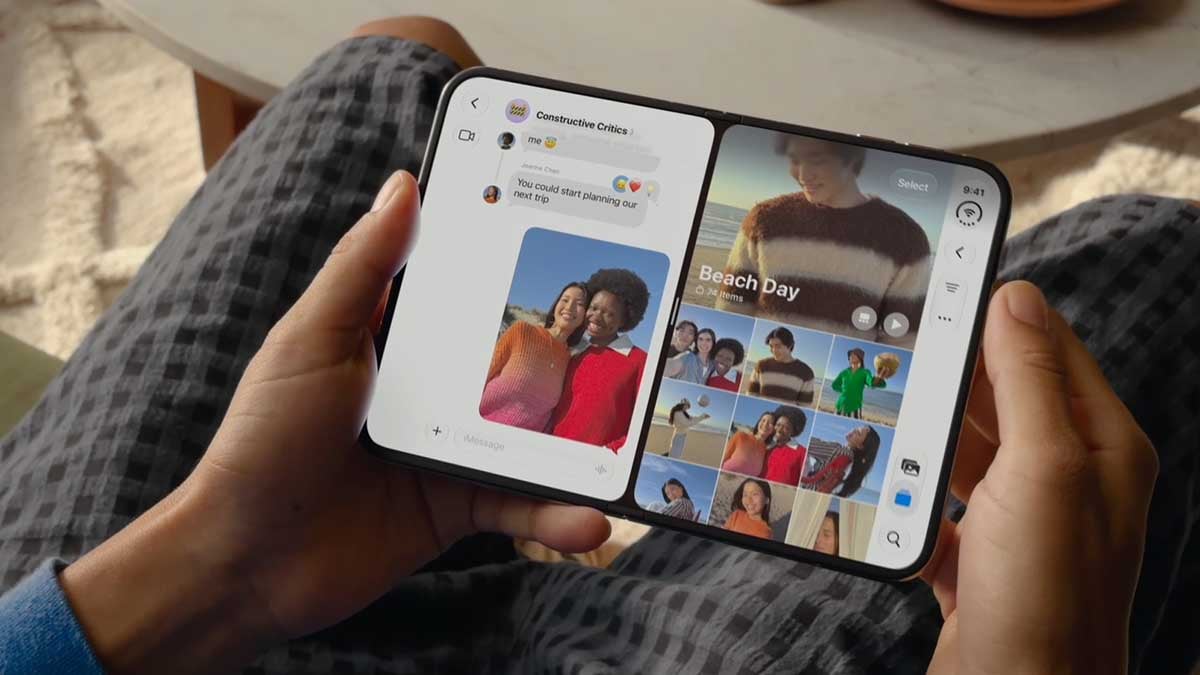
The foldable phone market has never been more competitive. Apple’s entry into the foldable segment with iPhone Duo has made the segment a hot topic, and the device is different from Samsung’s Galaxy Z Fold 8 in at least 10 big ways.
While displays and hinges often steal the spotlight, the camera systems are where these two foldable phones truly clash. As a smartphone photographer, you might be wondering which premium device deserves a spot in your pocket.
Let’s dive into the 10 big camera differences between the iPhone Duo and the Samsung Galaxy Z Fold 8.
1. Main camera
Samsung equips the Galaxy Z Fold 8 with a primary 50MP sensor boasting an f/1.8 aperture. On the flip side, Apple’s iPhone Duo features a 48MP “Fusion” Main camera, featuring a wider f/1.6 aperture.
2. Ultrawide camera
The Galaxy Z Fold 8 sports a massive 50MP ultra-wide lens with an impressive f/1.9 aperture. Apple counters with a 48MP Fusion Ultra Wide lens, bringing an f/2.2 aperture, giving its alternative an edge.
3. Front cover camera
The Galaxy Z Fold 8 features a trusty 10MP (f/2.2) cover camera that gets the job done for quick snaps and social media. Apple’s iPhone Duo steps it up slightly with a 12MP (f/2.2) Outer camera equipped with its “Center Stage” technology.

4. Front inner camera
Samsung relies on its optimized 10MP internal camera for the expansive main display. Apple, however, introduces an Under-display FaceTime camera on the inner screen of the iPhone Duo with a bright f/1.8 aperture.
5. The best AI camera feature
Samsung introduces My FanCam, a brilliant feature that automatically tracks a selected subject and reframes the footage into a preferred aspect ratio.
Apple answers this with Center Stage for photos and videos, alongside Smart focus tracking to keep moving subjects locked in.
6. Ultrawide macro photography
Apple has explicitly baked a 48MP macro photography mode into the iPhone Duo’s ultra-wide lens, allowing users to capture incredibly detailed extreme close-ups.
While Samsung’s 50MP ultra-wide on the Fold 8 is phenomenal for landscapes and group shots, the spec sheet doesn’t explicitly highlight a dedicated high-res macro mode.
7. Video camera
Samsung continues to push the boundaries of mobile video, allowing the Galaxy Z Fold 8 to record cinematic UHD 8K video at 30fps.
Apple has capped the iPhone Duo at 4K resolution, but the company has heavily optimized it to shoot 4K Dolby Vision at a staggering 120fps.
8. Dual recording
Samsung’s Dual Recording allows you to capture both sides of a moment simultaneously, letting you preview yourself on the cover screen while framing your subject.
Apple introduces a similar concept dubbed Duo Preview and Smart Take, aiming to utilize the front and back screens to help subjects see themselves before the shutter clicks.
9. Audio quality in recordings
Apple is flexing its audio engineering muscles with the iPhone Duo. The company’s camera system is paired with advanced Audio Mix, Spatial Audio, and rigorous wind noise reduction capabilities.
The iPhone maker’s suite of audio features integrated directly into its Dolby Vision video pipeline makes the iPhone Duo a formidable tool for vloggers.
10. AI advancements
Galaxy Z Fold 8 is deeply integrated with Galaxy AI and Gemini Intelligence, offering “agentic” experiences that help you easily reframe, edit, and reimagine your photos post-capture.
Apple relies on its Photonic Engine, Deep Fusion, and the new Photographic Styles 3, allowing users to bake in its preferred color science and contrast levels before the photo is even taken.
You may like:






Apple iPhone 18 Pro Max and the Samsung Galaxy S26 Ultra are two powerful smartphones. A speed test was done to see which phone is faster in daily use, gaming, and other heavy tasks. The speed test was conducted by TechDroider and shared in a video on YouTube.
The iPhone 18 Pro Max uses the A20 Pro chip and runs on iOS 27. The Galaxy S26 Ultra uses the Snapdragon 8 Elite Gen 5 for Galaxy and runs on One UI 9.
The test starts with turning on both phones. The Galaxy S26 Ultra starts faster than the iPhone. Samsung also opens some apps, such as the Play Store and the camera, faster.
Next, both phones are tested with heavy games. In Genshin Impact, the iPhone 18 Pro Max loads the game faster. Both phones can run the game smoothly with high graphics settings. In Mortal Kombat, the Samsung is faster, while the iPhone is faster in the PUBG test.
The test also includes apps such as Spotify, Instagram, and Pizza Hut. Samsung opens these apps faster in the test. A graphics test is also performed. The iPhone looks smoother, while Samsung shows some lag. Video editing in LumaFusion is also tested.
Finally, a RAM test is done by opening the apps again. After all the tests, TechDroider says that the Galaxy S26 Ultra is faster overall. Both phones offer excellent performance. The iPhone is strong in gaming and graphics, while Samsung performs well in app opening and multitasking.

While the Galaxy S27 Ultra is still some time away from its official debut, recent regulatory information points to a sizeable battery upgrade that could put it ahead of Apple’s newly launched iPhone 18 Pro Max on raw capacity.
It makes an early battery comparison between Samsung’s upcoming Ultra and Apple’s latest Pro Max particularly interesting.
Galaxy S27 Ultra could push Samsung’s battery ceiling higher
According to recent regulatory leaks, the Galaxy S27 Ultra is expected to feature a 5,700mAh battery.
If this information holds up, Samsung would be moving beyond the 5,000mAh capacity used by several recent Ultra models and delivering one of its biggest battery increases for a conventional Galaxy flagship.
The change would also be notable because Samsung has traditionally been relatively conservative with battery capacity on its top-end Galaxy S phones. The company has instead relied heavily on processor efficiency, display improvements and software optimization to extend endurance.
A 5,700mAh cell would give the Galaxy S27 Ultra a meaningful hardware advantage on paper.
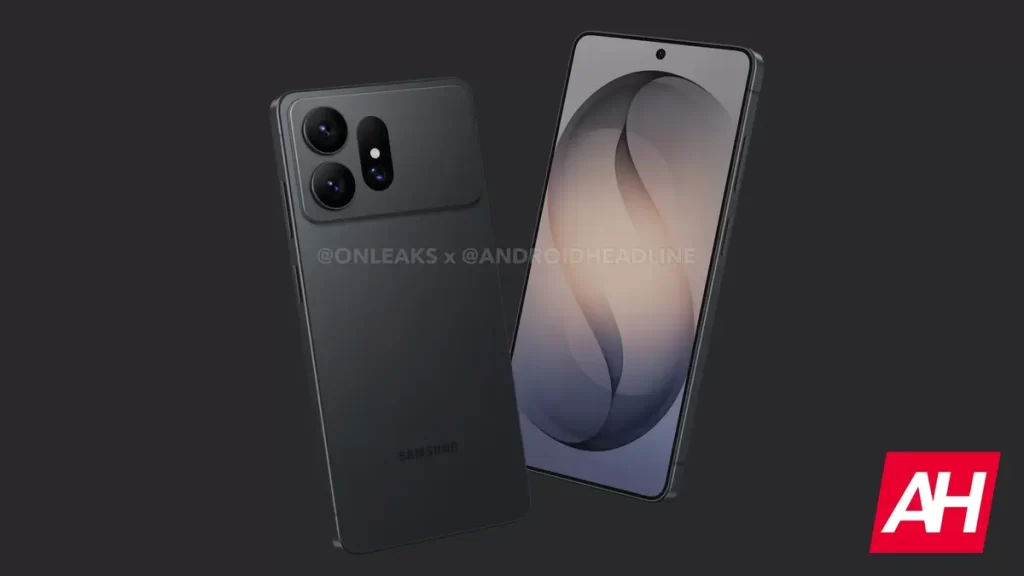
Image via Android Headlines
iPhone 18 Pro Max is no longer playing the small-battery game
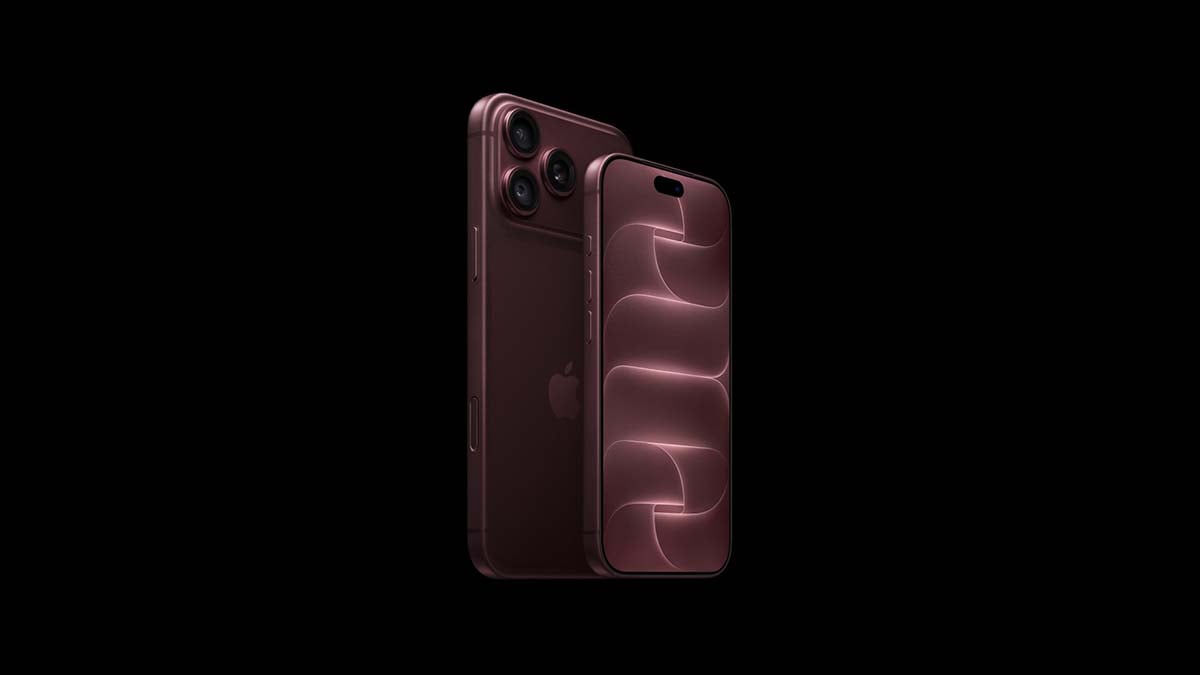
Apple, meanwhile, has also increased the battery capacity of its largest iPhone. EU energy-label information lists the iPhone 18 Pro Max at 5,391mAh, making it a substantial step forward from the previous generation.
That is particularly interesting because Apple’s battery strategy has never been about matching Android phones purely by capacity. The company controls the hardware and software stack, allowing its chips and iOS power management to extract considerable endurance from comparatively compact batteries.
The iPhone 18 Pro Max is also powered by Apple’s 2nm A20 Pro chip, which could make efficiency just as important as the battery’s physical size.
5,534mAh vs. 5,391mAh: What does it actually mean?
Galaxy S27 Ultra
- Expected battery: 5,700mAh (5,534mAh rated)
iPhone 18 Pro Max
- Battery capacity: 5,391mAh (rated)
- Note: eSIM (US) model features a larger battery.
On capacity alone, Samsung has the advantage by roughly 143mAh.
The Galaxy S27 Ultra will likely have a larger, high-resolution display and a different power profile from the iPhone 18 Pro Max. Samsung’s upcoming chipset, display refresh behavior, modem efficiency and One UI optimization could all have a major influence on how long that 5,700mAh battery actually lasts.
Apple faces the same equation from the other side. The A20 Pro’s efficiency could allow the iPhone 18 Pro Max to remain extremely competitive despite carrying a smaller battery.
Samsung’s real test will be efficiency
This is where the Galaxy S27 Ultra’s battery story becomes more interesting.
If Samsung combines the larger cell with a more efficient processor and display, the additional capacity could translate into noticeably longer endurance rather than simply a larger specification on paper.
For now, though, the Galaxy S27 Ultra has the larger battery, while the iPhone 18 Pro Max has a smaller capacity paired with Apple’s latest 2nm silicon.
The real winner of this battery battle will only become clear once Samsung’s next Ultra reaches consumers and independent testing can put both phones through the same workload. Until then, 5,700mAh gives the Galaxy S27 Ultra an intriguing head start on paper.
Samsung’s Galaxy S26 Ultra was recently tested against Apple’s new iPhone 18 Pro and iPhone 18 Pro Max. The test looked at battery life, charging speed and performance.
In the battery test by Mrwhosetheboss, the Galaxy S26 Ultra lasted around 10 hours. This was a good result, but the iPhone 18 Pro Max lasted much longer, reaching an impressive 12 hours and 32 minutes.
The Galaxy S26 Ultra was also compared with older iPhones. While it could beat the iPhone 17 and 17 Pro in battery life, it could not match the new iPhone 18 Pro Max. Apple’s larger battery and new A20 Pro chip may have helped the iPhone last longer.

Image via Mrwhosetheboss
However, Samsung had an important advantage in charging speed. The Galaxy S26 Ultra charged faster than the new iPhones during the test. This means users who care about quickly charging their phone may find the S26 Ultra more useful.
The Galaxy S26 Ultra also delivered strong performance. It scored 7,970 points in the 3DMark test. The iPhone 18 Pro scored 9,024, so Apple had the higher score in this particular test.
The Galaxy S26 Ultra showed that it is still a powerful phone with fast charging and good battery life. However, in this test, the iPhone 18 Pro Max lasted longer on a single charge, while Samsung continues to have an advantage in charging speed.
The ultimate smartphone photography battle of 2026 is officially here. Apple has officially released the iPhone 18 Pro and iPhone 18 Pro Max, which introduce 7 major camera differences from the Samsung Galaxy S26 Ultra.
Samsung has unleashed the Galaxy S26 Ultra, packed with a refined camera system heavily boosted by proactive Galaxy AI. On the other side of the ring sits Apple’s iPhone 18 Pro Max, armed with a new “Pro Fusion” setup.
While both phones take spectacular photos, their hardware approaches and AI philosophies couldn’t be more different.
Let’s dive into the seven biggest camera differences you need to know.
1. 200MP vs 48MP main camera
The Galaxy S26 Ultra boasts a monstrous 200MP wide camera, allowing for massive cropping and capturing unbelievable detail. Apple is sticking to its 48MP standard for the iPhone 18 Pro Max’s main sensor.
While Apple relies on its “Fusion” technology to merge 24MP and 48MP shots, Samsung’s 200MP sensor combined with the new ProScaler engine delivers unmatched sharpness.
2. Fixed F1.4 vs. Variable Aperture
The iPhone 18 Pro Max introduces a variable aperture on its main lens, shifting between ƒ/1.48, ƒ/1.8, ƒ/2.8, and ƒ/4.0 to control depth of field natively. Samsung, however, opted for a staggering, fixed F1.4 aperture on the S26 Ultra’s 200MP lens.
3. Zoom camera quality
Samsung’s Galaxy S26 Ultra features a dual-telephoto system: a 50MP 5x optical lens (delivering 10x optical quality) and a dedicated 10MP 3x optical lens.
On the flip side, the Apple iPhone 18 Pro has upgraded its tetraprism telephoto to a 48MP 4x lens, which crops to achieve 8x optical-quality zoom.
4. Low-light ultrawide shots
The Galaxy S26 Ultra features a 50MP F1.9 ultra-wide lens, while the iPhone 18 Pro Max uses a 48MP ƒ/2.2 lens. Samsung’s wider F1.9 aperture on the Galaxy S26 Ultra allows significantly more light to hit the sensor.
5. Selfie camera
Apple bumped the iPhone 18 Pro Max’s front camera to an 18MP “Center Stage” lens with a bright ƒ/1.9 aperture. Samsung kept the Galaxy S26 Ultra’s front camera at 12MP (F2.2) but completely overhauled the processing.
6. APV vs ProRes RAW
The iPhone 18 Pro Max supports ProRes RAW and can shoot blazing-fast 4K Dolby Vision at 120 fps. However, Samsung’s new Galaxy S26 Ultra flagship introduces something groundbreaking for creators: the APV codec.
7. Generative AI vs Photonic Engine
Apple leans into its Photonic Engine and Photographic Styles 3 to tweak color science at capture. Samsung, on the other hand, uses Galaxy AI to give you magical post-processing powers.
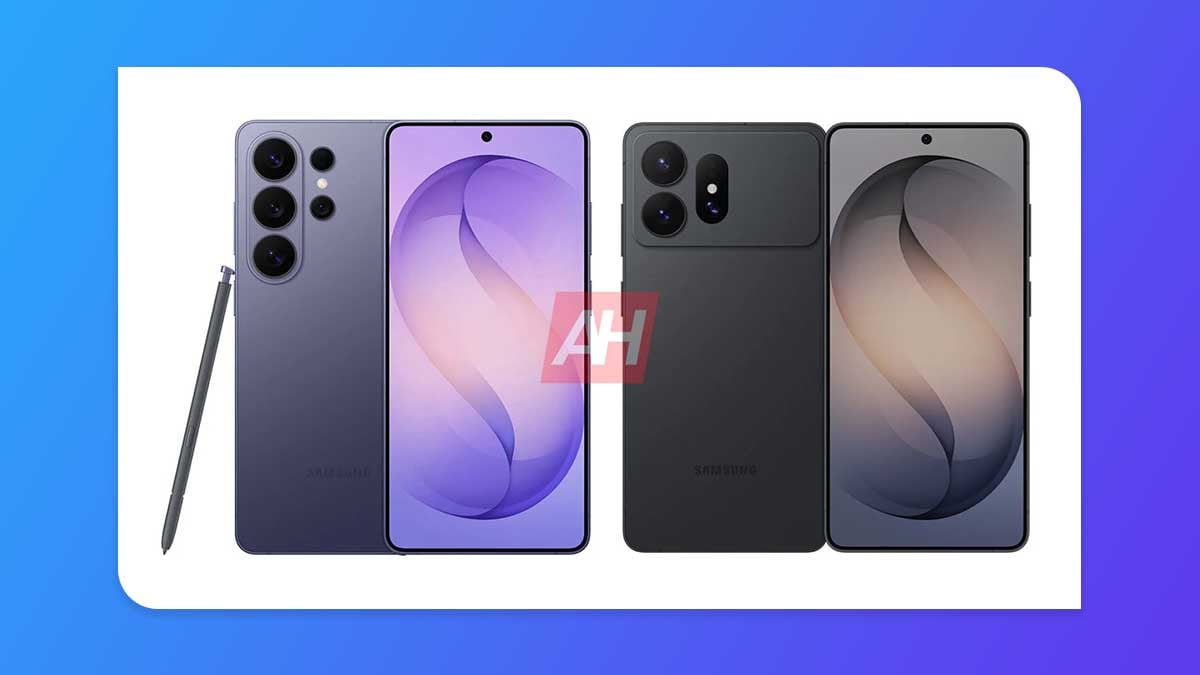
Samsung is known for making premium smartphones, and its Ultra models usually come with the best design and features. The Galaxy S26 Ultra has already introduced some design changes, while the upcoming Galaxy S27 Ultra is expected to bring a few more changes. Here you can check what design changes could come with the Galaxy S27 Ultra.
Notably, the Galaxy S26 Ultra features a slim and premium body with rounded corners and softer edges. The phone is around 7.9mm thin. The S26 Ultra also has a redesigned camera area on the back, which gives the phone a different look compared with older Galaxy Ultra models.
On the other hand, the Galaxy S27 Ultra might take a slightly different approach. Based on early leaks, Samsung could give the phone a flatter and cleaner design. The back may look simpler, while the camera area could also get a new layout. This could make the S27 Ultra look more modern without completely changing the Galaxy Ultra identity.
The main change is the new camera plateau at the top of the rear panel. Instead of placing individual cameras along the left side, Samsung appears to be putting them inside one larger camera area. There might be three rear cameras instead of four. Samsung could remove the 3x telephoto camera and use a 50MP 5x telephoto camera instead.
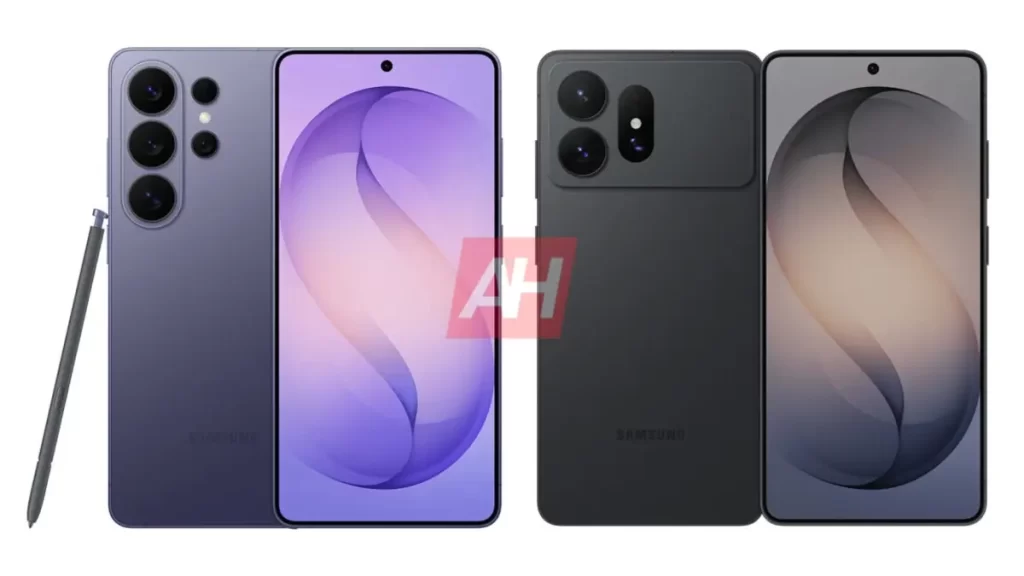
Image via Android Autority
The Galaxy S26 Ultra uses more rounded edges, while the S27 Ultra might feature flatter sides. However, the front of both phones could remain quite similar, with a large display and thin bezels.
The Galaxy S27 Ultra could have almost the same size and display size as the Galaxy S26 Ultra. This means users may not see a big change in the phone’s overall shape and size.
The S Pen is expected to stay on the left side of the phone. The speaker could also remain in the same position. Apart from some small design changes, the Galaxy S27 Ultra may look almost the same as the Galaxy S26 Ultra.
It is important to remember that the S27 Ultra details are still based on leaks and rumors. Samsung has not officially confirmed the final design, so some changes could happen before the phone is launched. For now, the S27 Ultra looks like a small but interesting design upgrade over the S26 Ultra.
-
 One UI2 days ago
Here’s when One UI 9 stable update will arrive on these Samsung Galaxy phones
-
 News2 days ago
The best-selling phone in Brazil was an unexpected Samsung Galaxy
-
 News1 day ago
Galaxy S25 and S25 FE deal prices revealed for Flipkart Big Billion Days
-
 Phones1 day ago
Before you buy an iPhone 18 Pro, see how tough it really is