
AI
Gemini to offer in-app video recording and smarter Live overlay


Google is bringing new updates to its Gemini AI assistant that will make it more useful and interactive. Two of the main features coming soon are in-app video recording support and a smarter Gemini Live overlay. These changes will help users get more out of Gemini on their phones.
Video Recording and Uploading
With version 16.23.69 of the Google app, users can now upload videos for Gemini to analyze. Previously, video analysis was limited to YouTube links, but this update introduces native support for uploading clips from device storage, significantly improving usability for casual users.
To check if the feature is available, tap the + button in Gemini, select Files or Gallery, and see if video files are available. If not, the update may not have reached your device yet.
A reliable tipster @AssembleDebug spotted that Google is also working on adding the ability to record videos directly inside the app. It will make it even easier to share what you need help with.

Image via Android Authority
Improved Gemini Live Overlay
Gemini Live feature is also getting a new look. The overlay will now have a smaller, cleaner design, with the Google wordmark replaced by a simple “G” logo, a repositioned Labs button, and a more fluid interaction model.
It will also show a voice waveform to let you know when it’s listening, even when the overlay is minimized. Google is testing new ways to suggest AI-powered searches, which clearly mark “AI Mode” for transparency.

Image via Android Authority
These new enhancements make Gemini more helpful and user-friendly. With video support and a smarter Live overlay, Google will soon make it easier to talk to and get help from AI.


Samsung is quietly gearing up for the next big step in memory technology. According to recent reports (via @SemiconductorsX), the company is working with partners to introduce equipment for its 7th-generation 10nm-class DRAM, called “1d,” with mass production targeted for late 2027.
Right now, Samsung’s latest is the 1c (6th-gen) process at around 11-12nm. The new 1d shrinks that to about 10-11nm. Smaller lines mean better performance, lower power use, and higher density – exactly what AI systems need.
The company has already been testing samples internally. The current plan is to bring in the new equipment in the first half of 2027 and start real production toward the end of the year.
Why does this matter?
This 1d DRAM is expected to become the core die for HBM5E – Samsung’s high-bandwidth memory planned for 2029. HBM is the super-fast memory that powers AI training and inference in data centers. This stronger manufacturing process will help Samsung remain competitive with SK Hynix in the booming AI memory market.
For everyday users, this new tech will eventually reach phones, laptops, and servers, bringing better speed and lower power use. For the industry, it proves Samsung is still pushing hard on shrinking memory nodes, even as the overall memory market heats up.
It’s a steady, long-term play. No sudden big breakthrough, but these small improvements are exactly what help build real leadership in the AI memory race. We will keep an eye on updates by the end of this year.
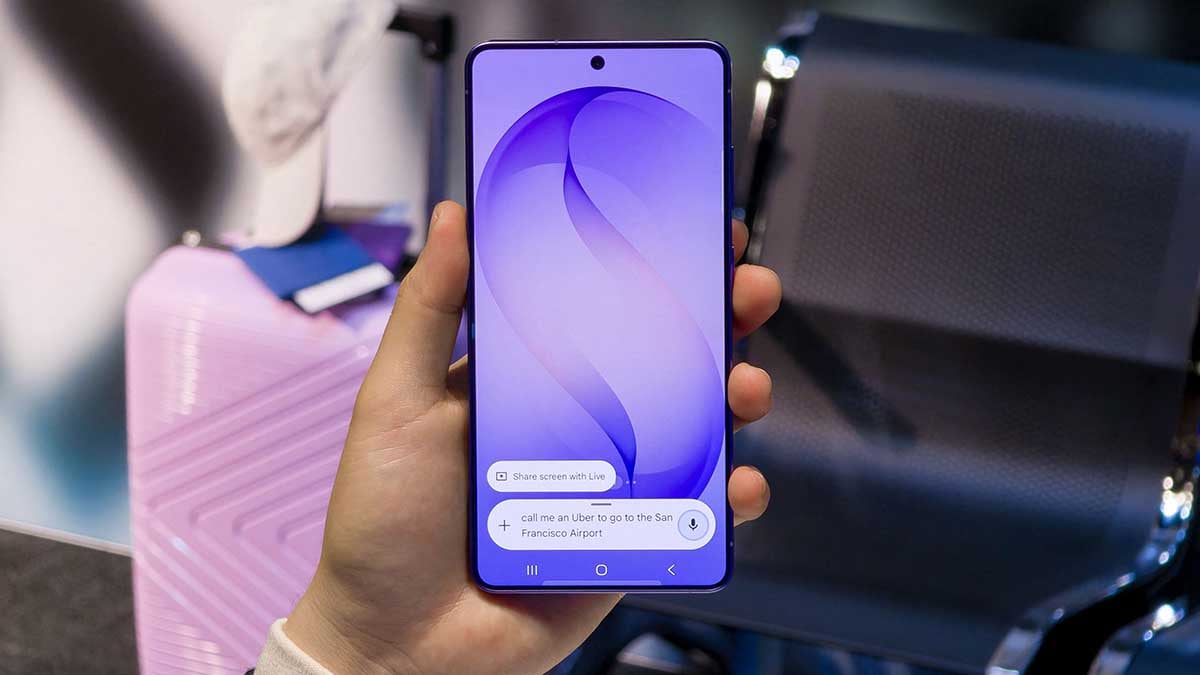
Google may have accidentally shown a new feature for its AI assistant, Gemini. The feature is the Troubleshooting mode, and it could help users solve problems more easily.
The new mode was first noticed by TestingCatalog on X. According to the report, a new option, Troubleshooting, appeared in Gemini’s model selection menu. Some users say they can already see and use the feature, while many others cannot.
Troubleshooting Mode is to help people fix problems step by step. When users ask for help, Gemini can provide clear instructions and guidance. Reports say the feature can use both text and interactive widgets. These widgets may make it easier for users to follow the instructions and find solutions faster.
GOOGLE 🔥: A new Troubleshooting mode has been spotted on Gemini.
In this mode, Gemini will explain troubleshooting process via text responses and interactive widgets. Even though it is working and available, it still looks like an unintended release and might get reverted… https://t.co/FWQLelYXju pic.twitter.com/Y73PJb7y1e
— 🚨 AI News | TestingCatalog (@testingcatalog) June 4, 2026
Gemini is already used for many different tasks. People use it to write content, get ideas, answer questions, create plans, and help with coding. A troubleshooting feature would make Gemini even more useful because many users often need help fixing technical problems on their phones, computers, apps, or other devices.
Google has not officially announced this feature yet. Due to this, there are still many details that are unknown. It is also possible that Google could remove the feature from users’ accounts until it is ready for an official release.
Even though the feature is only available to a few people right now, it has created excitement among Gemini users. Many believe it could become a useful tool for solving everyday problems quickly and easily.
For now, users will have to wait for Google to confirm the feature and announce when it will be available to everyone. Stay tuned.

Apple is getting ready to launch a much smarter version of Siri later this year. According to a report from The Information, the upgraded Siri could arrive in September and will use a combination of Apple’s own technology and powerful AI systems provided by Google.
At the Worldwide Developers Conference (WWDC) start on June 8, Apple is expected to talk about its latest AI features. The company wants most AI tasks to run directly on users’ devices, such as iPhones, iPads, and Macs. This helps improve privacy and speed.
However, some requests are too complex to be handled on a device alone. For these tasks, Siri will reportedly send the request to Google’s Gemini AI models, which run on advanced Nvidia Blackwell B200 chips. These chips are mainly for artificial intelligence and can process information much faster than older generations.
Privacy remains a key focus for Apple. The report says user data sent to Google’s servers will be protected using Nvidia’s confidential computing technology. This security feature keeps data encrypted while it is being processed.
The decision to rely on Google’s infrastructure is unusual for Apple. The company normally prefers to build and control most of the important technology behind its products. Apple already has its own cloud-based AI system, Private Cloud Compute, which uses Apple-made chips to handle AI tasks securely.
According to the report, Apple tried running a special version of Gemini on its own servers but found it too slow. As a result, it decided to use Google’s more powerful AI infrastructure instead, although the company is expected to keep the Private Cloud Compute name.
Apple Intelligence was first introduced in 2024, but many promised Siri features were delayed. At WWDC 2026, Apple is expected to reveal these improvements and show how Siri will become more helpful and intelligent.

Microsoft has introduced a new project, Project Solara, at its Build 2026 event. It is a new operating system that is designed for AI agents instead of traditional apps.
Project Solara is based on Android’s open-source software, but it is not a regular Android system. Microsoft has built its own platform on top of Android and calls it the Microsoft Device Ecosystem Platform.
The main idea behind Solara is that users may not need many separate apps in the future. Instead, AI agents could perform tasks and create screens or interfaces whenever needed. Microsoft calls this concept “just-in-time UI.”

Image via Microsoft
For example, if you use a smart badge at work, the device may show only a few important options. If you use the same service on a larger screen, such as a smart display, it could show more details and features. The interface would automatically adjust to the device and the situation.
Microsoft says this approach could make it easier to use different devices without building separate apps for each one. The company also hopes AI agents will help solve some of the problems it faced in the past, mainly when it struggled to compete in the smartphone market.
However, Project Solara is still only a concept. The advanced AI agents needed for the system are not fully available yet. Microsoft is currently testing the idea on a small number of prototype devices. Stay tuned for more information.
Google is reportedly working on a fresh look for the Gemini overlay. The design could soon use Material You colors instead of the current fixed blue style.
At present, the Gemini overlay on Android looks mostly blue and stays the same on all phones. It does not change based on the user’s wallpaper or system theme, so it feels less personalized.
In the leaked images shared by AssembleDebug, the design appears updated. The overlay now seems to follow Material You, which is Google’s design system that changes app colors based on the user’s phone theme.

It means the Gemini interface could automatically match the colors of the device. For example, if your phone theme is green, pink, or purple, the Gemini overlay may also shift to those colors.
Even small details like the dotted animations in the corners look like they adjust their colors according to the system theme. This makes the interface feel more modern and more connected to Android’s overall design.
However, this is not confirmed yet. The images are only early looks, and Google has not officially announced anything. The feature may still be under testing and could change before release, or may not be released at all. Stay tuned for more information.
-
 One UI3 days ago
One UI 9.0 (Android 17) testing on these 42 Samsung devices
-
 Samsung3 days ago
Samsung Galaxy Z Flip 8: Complete phone specifications
-
 News3 days ago
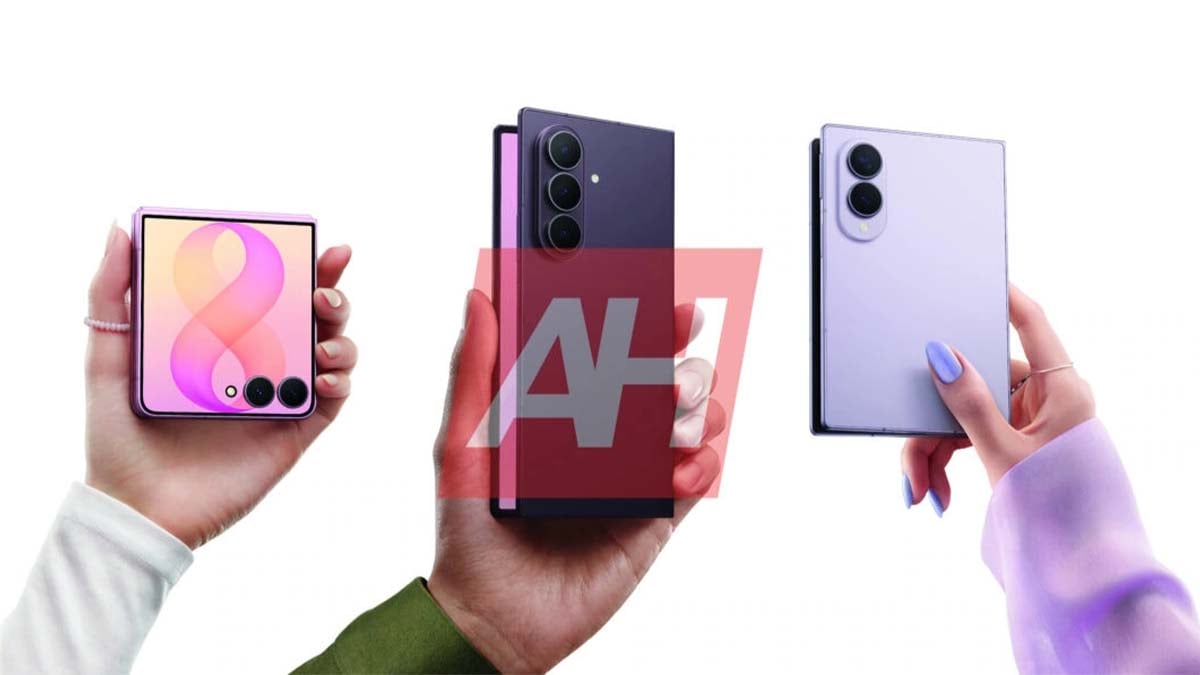
Samsung may retain free double storage offer with Galaxy Z Flip 8, Fold 8, and Fold 8 Ultra
-

 Good Lock2 days ago
Samsung improves Good Lock stability and UI