
Semiconductor
Samsung bets big on 2nm Exynos 2700 to lift semiconductor business


Samsung semiconductor manufacturing business has spent the last few cycles playing defense, but the tide appears to be turning as wafer production for the second-generation 2nm-based Exynos 2700 kicks into gear.
Built on Samsung Foundry’s second-generation 2nm process (SF2P), the new Exynos 2700 application processor isn’t just another incremental upgrade; it is a high-stakes play to rescue the company’s non-memory margins.
Samsung bets big on 2nm Exynos 2700
Industry reports via Chosun indicate wafer start volumes for the Exynos 2700 are slated to climb over 10% compared to the Exynos 2600. This is the same as what we heard earlier this month through Korea’s trusted outlet TheElec.
For System LSI, it represents a direct expansion of in-house IP. For the Foundry Division, securing an internal client on the SF2P process provides the operational scale and yield validation required to attract external customers.
Exynos 2700 to lift semiconductor business
The timing couldn’t be better for Samsung’s Mobile Experience (MX) business. With LPDDR5X memory prices surging roughly 80% over recent quarters, mobile bill-of-materials (BOM) costs are under severe strain.
Relying exclusively on Qualcomm’s expensive flagship silicon for every device isn’t sustainable. Adopting the Exynos 2700 into the Galaxy S27 base, Plus, and potentially new Pro variants gives Samsung crucial leverage.
While internal testing whispers point to impressive multi-core gains, real-world execution will dictate the outcome. SF2P promises a 12% boost in operational performance alongside a 25% drop in power consumption on paper.
If Samsung’s chip making arm can achieve stable mass-production yields on SF2P without running into the thermal issues that plagued earlier generations, the Exynos 2700 could mark the turning point for its dual-chip strategy.







When PC titans Lenovo, HP, and Dell lock down long-term supply agreements (LTAs) for DRAM and NAND flash, it isn’t just a victory for the personal computing space, but a direct warning shot across the bow for smartphone makers.
While PC giants are insulating themselves against the ongoing memory crunch by pledging consistent enterprise B2B volumes, smartphone brands are left exposed.
Korean outlet ETNews reports that PC titans including Lenovo, HP, and Dell have secured memory (DRAM and NAND) LTAs for 2027.
Memory foundries like Samsung Electronics and SK Hynix have been aggressively pivoting wafer production toward high-margin High Bandwidth Memory (HBM) and enterprise SSDs to feed the relentless AI data center boom.
Now that Tier-1 PC makers have guaranteed themselves priority allocation through LTAs, the uncommitted wafer capacity available for the smartphone sector will shrink even further heading into next year.
Unlike PC vendors, who can lean on steady corporate hardware refresh cycles to absorb a 10% to 20% bump in overall bill-of-materials costs, mobile brands are staring down a deeply price-sensitive B2C consumer base.
Mid-range and entry-level smartphones under $200 are particularly vulnerable. Operating margins in that segment are already razor-thin, and absorbing double-digit price hikes on RAM and storage modules simply isn’t feasible.
Mobile OEMs will likely be forced to make tough compromises. Expect budget devices to ship with capped RAM configurations, or see brands pass the bill straight to buyers through higher retail prices.
If smartphone makers fail to secure similar long-term supply contracts soon, they will end up subsidizing the PC market’s stability with their own squeezed margins.
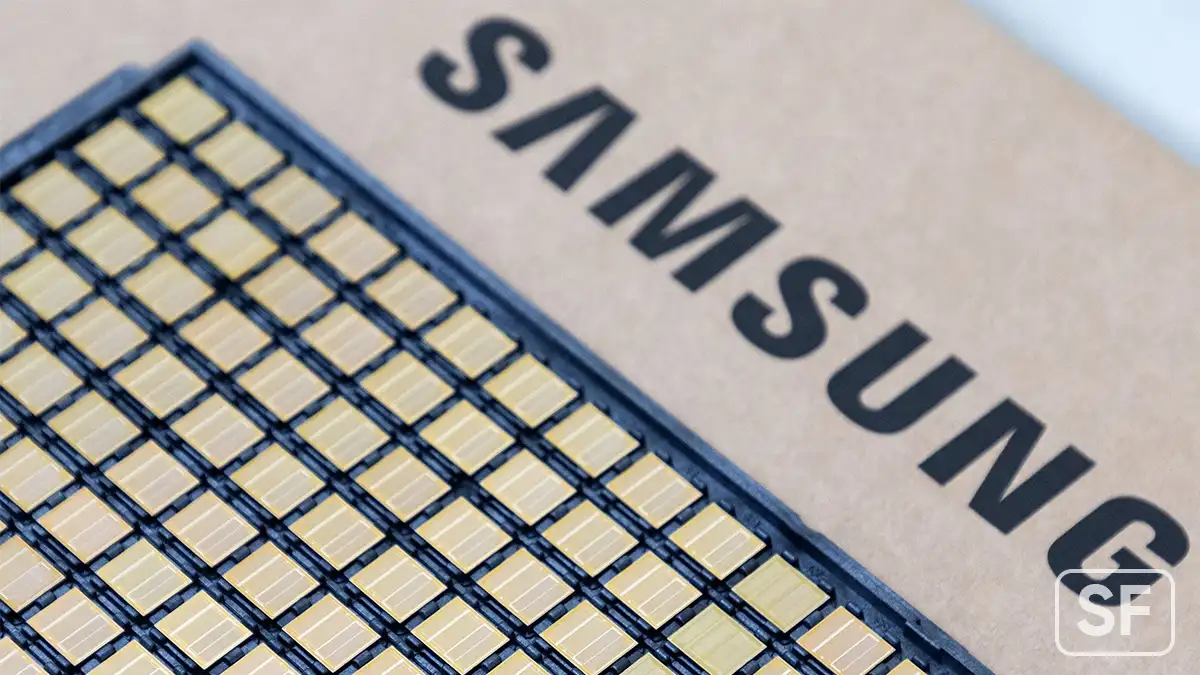
Big Tech companies have secured Samsung Elec’s 80% DRAM, NAND, and HBM volume for 2027, with the remaining 20% targeted at AI hyperscalers.
According to KB Securities (via YNA Korea), Samsung has secured long-term agreements with Big Tech for its 2027 memory supply, including DRAM, NAND, and HBM.
In particular, 70 percent of Samsung Elec’s 2027 DRAM and NAND volume has been booked. HBM, on the flip side, has been 100% locked up by Samsung clients for the incoming year.
The Korean tech giant is said to have signed 5-year long-term supply contracts with global big tech companies.
Samsung Electronics has signed 5-year long-term supply contracts with global big tech companies for 70% of its next year’s production volume of conventional memory, such as DRAM and NAND. Furthermore, 100% of the annual production volume for HBM4 has been fully contracted.
These agreements have virtually guaranteed Samsung’s memory division’s profits in 2027. Meanwhile, AI Hyperscalers are continuing to compete to secure the remaining 20% of uncontracted memory volume.
Kim of KB Securities also noted that the average selling price of HBM is projected to rise by 100-150% YoY in 2027. Besides, 1Q27 DRAM prices are expected to record double-digit growth compared to the previous quarter.
KB Securities has also praised Samsung Electronics’ HBM4, forecasting that the share of HBM4 in total HBM revenue will rise from 40% this year to 80% next year.


Samsung Foundry and TSMC are the two biggest rivals in the Global foundry market. However, an unexpected demand from NVIDIA has reportedly forced Samsung to turn toward its rival, TSMC, and use its 3nm process for custom HBM.
TSMC leads the worldwide foundry market, thanks to its stabilized cutting-edge chip manufacturing processes. Orders are already booked, and the foundry is no longer willing to accept orders from clients due to constraints.
Meanwhile, Samsung appears to be ready to approach TSMC to make custom HBM chips for NVIDIA, following a demand/request from the world’s biggest AI chip supplier.
NVIDIA made this demand because differing manufacturing methods among HBM suppliers make it difficult to achieve consistent performance across designed products.
Korean media reports that NVIDIA requested Samsung Electronics, SK Hynix, and Micron to manufacture the base die of its custom HBM using TSMC’s 3nm chip manufacturing process.
The demand isn’t unusual, as NVIDIA wants its custom HBM to be standardized. Besides, the company asked suppliers to standardize the 6th-gen DRAM process (1c) for the base die.
Using TSMC’s process reduces the burden of having to separately validate products from each supplier: Samsung Electronics, SK Hynix and Micron.
Notably, the Korean tech giant has long maintained a “Turnkey” approach, securing everything from design to manufacturing and standardization in-house with no outside interference.
However, Samsung is ready to make the move to TSMC to win NVIDIA’s AI orders. This is a good policy, as you just can’t beat your competitor; join them and wait for the right call.
An industry insider noted, “Samsung is validating whether it can manufacture the base die for NVHBM at its own foundry as well,” adding, “This is to prepare for potential scenarios where NVHBM demand exceeds TSMC’s production capacity.”


Apple’s upcoming foldable smartphone, the iPhone Duo, may face production delays due to a shortage of T-Glass, a special material made by Japan’s Nitto Boseki (Nittobo). This material is used in printed circuit boards (PCBs), which are important parts of smartphones and other electronic devices.
Demand for T-Glass has increased because companies including Nvidia and Apple need it for advanced chips and other electronic products. Nittobo is focusing on supplying the high-profit AI chip market, making it harder for Apple to secure enough material for its new foldable iPhone.
Apple has asked its suppliers to increase component production and reportedly plans to ship around six million iPhone Duo units by the end of 2026. However, low production yields at Foxconn could create further challenges. The production of the phone’s hinge has also faced problems, although improvements have been reported.

Industry experts believe Apple’s higher component orders could indicate strong demand for the iPhone Duo. However, they may also be an attempt to overcome production problems. Sales of the iPhone 18 Pro and Pro Max could influence how much T-Glass Apple receives.
Meanwhile, Samsung is expected to ship around seven to eight million foldable smartphones this year. Strong demand for its Galaxy Z Fold 8 has supported sales. Securing enough T-Glass and improving production efficiency will be important for Apple to meet its shipment targets and strengthen its position in the foldable smartphone market.
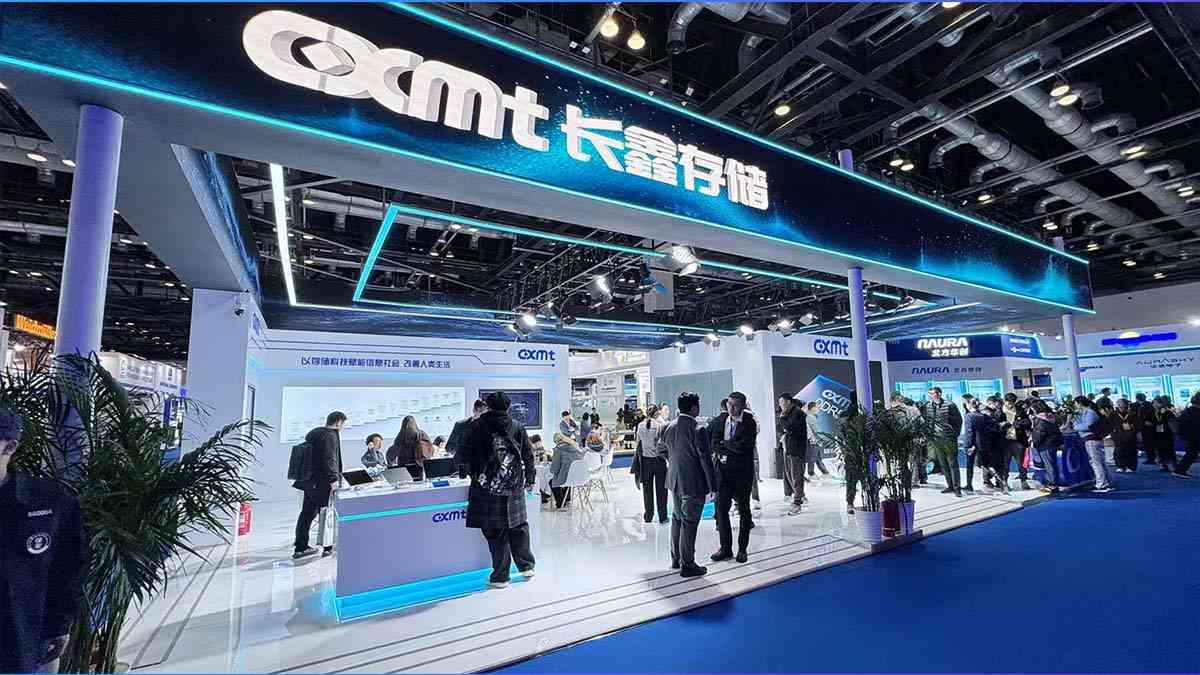
China’s CXMT is gaining ground in the global DRAM market due to the AI boom. The company’s latest earnings guidance points to a sharp financial turnaround, giving Samsung, SK Hynix, and Micron another competitor to watch.
Chinese media reports CXMT expects its revenue for the first nine months of 2026 to reach 265 billion to 270 billion yuan, up more than sevenfold year over year. Its estimated net profit has also swung from a loss last year to a substantial profit.
The third quarter alone is expected to generate 114.7 billion to 119.7 billion yuan in revenue, representing growth of 15% to 20% from the previous quarter.
The Chinese memory giant attributes the surge to rising AI computing demand, a global DRAM supply shortage, and higher memory prices. The bigger story is CXMT’s expanding market presence.
Counterpoint Research data puts its global DRAM revenue share at 10% in the second quarter, up from 4% a year earlier. Samsung retained the lead with 38%, followed by SK Hynix at 25% and Micron at 24%.

CXMT still has considerable ground to cover, particularly in advanced memory technologies. However, expanding conventional DRAM production while improving manufacturing efficiency gives it room to challenge established suppliers.
For Samsung and SK Hynix, the potential concerns are the possibility that a better-funded Chinese rival, such as CXMT, could gradually increase supply, compete more aggressively on pricing, and capture a larger share
-
 Updates45 minutes ago
October 2026 Google Play system update: Here’s what’s new
-

 WhatsApp3 days ago
WhatsApp testing two new chat bar designs for Android users
-
 One UI22 hours ago
Stable One UI 9.0 update rolling out to the Galaxy A27 phone
-
 Phones2 days ago
Another Samsung Galaxy S27 Ultra case leak reveals upgraded camera design