
Semiconductor
Samsung’s deal with TSMC for NVIDIA custom HBM isn’t a defeat


Samsung Foundry and TSMC are the two biggest rivals in the Global foundry market. However, an unexpected demand from NVIDIA has reportedly forced Samsung to turn toward its rival, TSMC, and use its 3nm process for custom HBM.
TSMC leads the worldwide foundry market, thanks to its stabilized cutting-edge chip manufacturing processes. Orders are already booked, and the foundry is no longer willing to accept orders from clients due to constraints.
Meanwhile, Samsung appears to be ready to approach TSMC to make custom HBM chips for NVIDIA, following a demand/request from the world’s biggest AI chip supplier.
NVIDIA made this demand because differing manufacturing methods among HBM suppliers make it difficult to achieve consistent performance across designed products.
Korean media reports that NVIDIA requested Samsung Electronics, SK Hynix, and Micron to manufacture the base die of its custom HBM using TSMC’s 3nm chip manufacturing process.
The demand isn’t unusual, as NVIDIA wants its custom HBM to be standardized. Besides, the company asked suppliers to standardize the 6th-gen DRAM process (1c) for the base die.
Using TSMC’s process reduces the burden of having to separately validate products from each supplier: Samsung Electronics, SK Hynix and Micron.
Notably, the Korean tech giant has long maintained a “Turnkey” approach, securing everything from design to manufacturing and standardization in-house with no outside interference.
However, Samsung is ready to make the move to TSMC to win NVIDIA’s AI orders. This is a good policy, as you just can’t beat your competitor; join them and wait for the right call.
An industry insider noted, “Samsung is validating whether it can manufacture the base die for NVHBM at its own foundry as well,” adding, “This is to prepare for potential scenarios where NVHBM demand exceeds TSMC’s production capacity.”






Apple’s upcoming foldable smartphone, the iPhone Duo, may face production delays due to a shortage of T-Glass, a special material made by Japan’s Nitto Boseki (Nittobo). This material is used in printed circuit boards (PCBs), which are important parts of smartphones and other electronic devices.
Demand for T-Glass has increased because companies including Nvidia and Apple need it for advanced chips and other electronic products. Nittobo is focusing on supplying the high-profit AI chip market, making it harder for Apple to secure enough material for its new foldable iPhone.
Apple has asked its suppliers to increase component production and reportedly plans to ship around six million iPhone Duo units by the end of 2026. However, low production yields at Foxconn could create further challenges. The production of the phone’s hinge has also faced problems, although improvements have been reported.

Industry experts believe Apple’s higher component orders could indicate strong demand for the iPhone Duo. However, they may also be an attempt to overcome production problems. Sales of the iPhone 18 Pro and Pro Max could influence how much T-Glass Apple receives.
Meanwhile, Samsung is expected to ship around seven to eight million foldable smartphones this year. Strong demand for its Galaxy Z Fold 8 has supported sales. Securing enough T-Glass and improving production efficiency will be important for Apple to meet its shipment targets and strengthen its position in the foldable smartphone market.

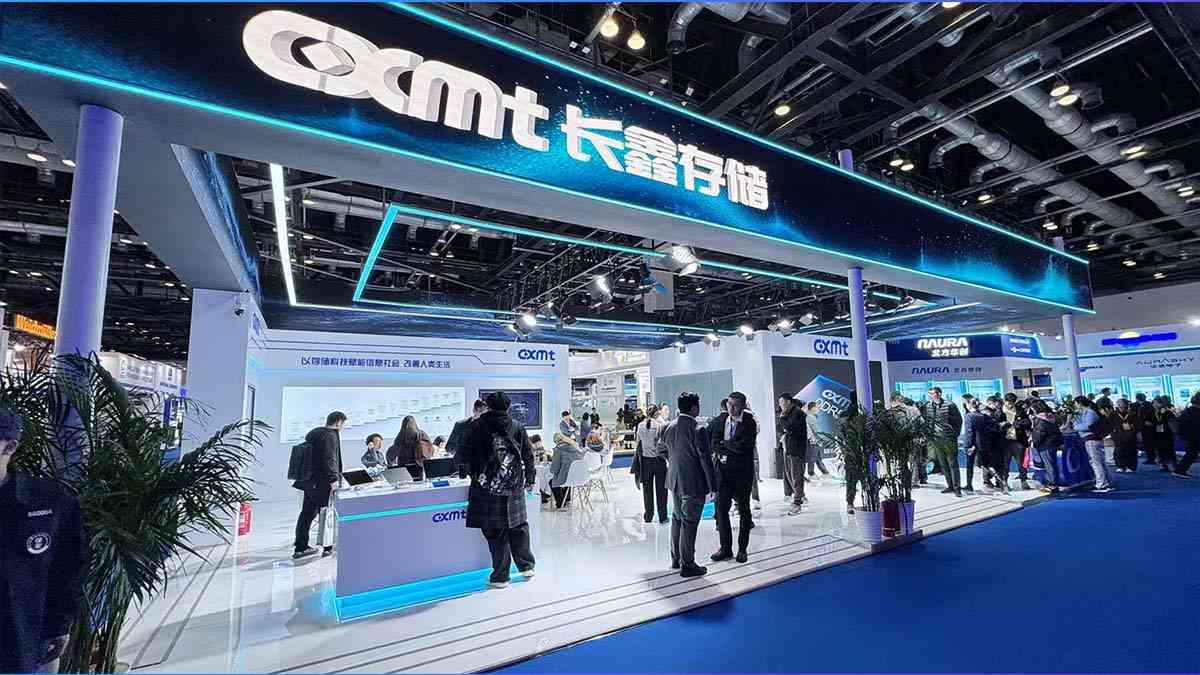
China’s CXMT is gaining ground in the global DRAM market due to the AI boom. The company’s latest earnings guidance points to a sharp financial turnaround, giving Samsung, SK Hynix, and Micron another competitor to watch.
Chinese media reports CXMT expects its revenue for the first nine months of 2026 to reach 265 billion to 270 billion yuan, up more than sevenfold year over year. Its estimated net profit has also swung from a loss last year to a substantial profit.
The third quarter alone is expected to generate 114.7 billion to 119.7 billion yuan in revenue, representing growth of 15% to 20% from the previous quarter.
The Chinese memory giant attributes the surge to rising AI computing demand, a global DRAM supply shortage, and higher memory prices. The bigger story is CXMT’s expanding market presence.
Counterpoint Research data puts its global DRAM revenue share at 10% in the second quarter, up from 4% a year earlier. Samsung retained the lead with 38%, followed by SK Hynix at 25% and Micron at 24%.

CXMT still has considerable ground to cover, particularly in advanced memory technologies. However, expanding conventional DRAM production while improving manufacturing efficiency gives it room to challenge established suppliers.
For Samsung and SK Hynix, the potential concerns are the possibility that a better-funded Chinese rival, such as CXMT, could gradually increase supply, compete more aggressively on pricing, and capture a larger share

Samsung is planning to enter the silicon photonics market to compete with Taiwan’s TSMC. The company is also considering buying a business that specializes in optical chip technology.
Silicon photonics is a technology that uses light instead of electricity to transfer data. It can help chips communicate faster and use less power. This is mainly important for AI, which requires large amounts of data to be processed quickly.
Samsung plans to start manufacturing these optical chips next year. It also aims to combine optical technology with its existing chip manufacturing and advanced packaging capabilities.
However, Samsung faces strong competition from TSMC. According to the report, TSMC holds 72.5% of the advanced packaging market, while Samsung has only 5.9%. TSMC has already invested heavily in advanced packaging and optical chip technology.
Other companies, including GlobalFoundries, UMC and Tower Semiconductor, are also developing silicon photonics technology, making the market more competitive.
Samsung has made progress in its next-generation 2nm chip technology and secured orders from major companies, including Tesla. However, it still needs to improve production efficiency and attract more customers.
Samsung hopes that silicon photonics and advanced packaging will help it compete with TSMC in the growing AI chip market. Its success will depend on developing better technology, winning customer trust and bringing products to market quickly.

Seven months after standing at Samsung Elec’s booth during GTC 2026 to celebrate the production of the Groq3 LPU, NVIDIA CEO Jensen Huang made the company’s chip manufacturing preference crystal clear on the Bg2 Pod podcast.
Addressing the company’s manufacturing strategy, CEO Huang stated that NVIDIA entrusts 100% of its core business to Taiwan’s TSMC.
While Samsung handles specialized inference silicon like the Groq3 LPU at its Pyeongtaek plant, TSMC remains the undisputed backbone for high-stakes flagship GPUs.
5 reasons why NVIDIA’s Jensen Huang says Samsung Foundry can’t replace TSMC:
1. Long-term product planning:
- TSMC has the rare foresight to look five years ahead, co-developing complex product roadmaps alongside its clients.
2. Process performance guarantee:
- It stands as the only foundry where customers can confidently trust new transistor architectures to beat prior generations without seeing physical silicon first.
3. Capacity and agility:
- TSMC provides the immense production volume needed to sustain NVIDIA’s market share while adapting effortlessly to wild demand swings.
4. All-in-one process integration:
- It offers every critical process node simultaneously, from logic and silicon photonics to memory and advanced packaging, all under a single operational roof.
5. Sheer scale:
- TSMC operates at roughly ten times the scale of its nearest competitors, making any sudden shift in manufacturing volume impossible for rival fabs to absorb.
While Samsung holds leverage in memory via HBM4 and secures niche manufacturing orders, its path to challenging TSMC’s dominance in primary AI processors hinges entirely on proving stable yields for its 2nm process.

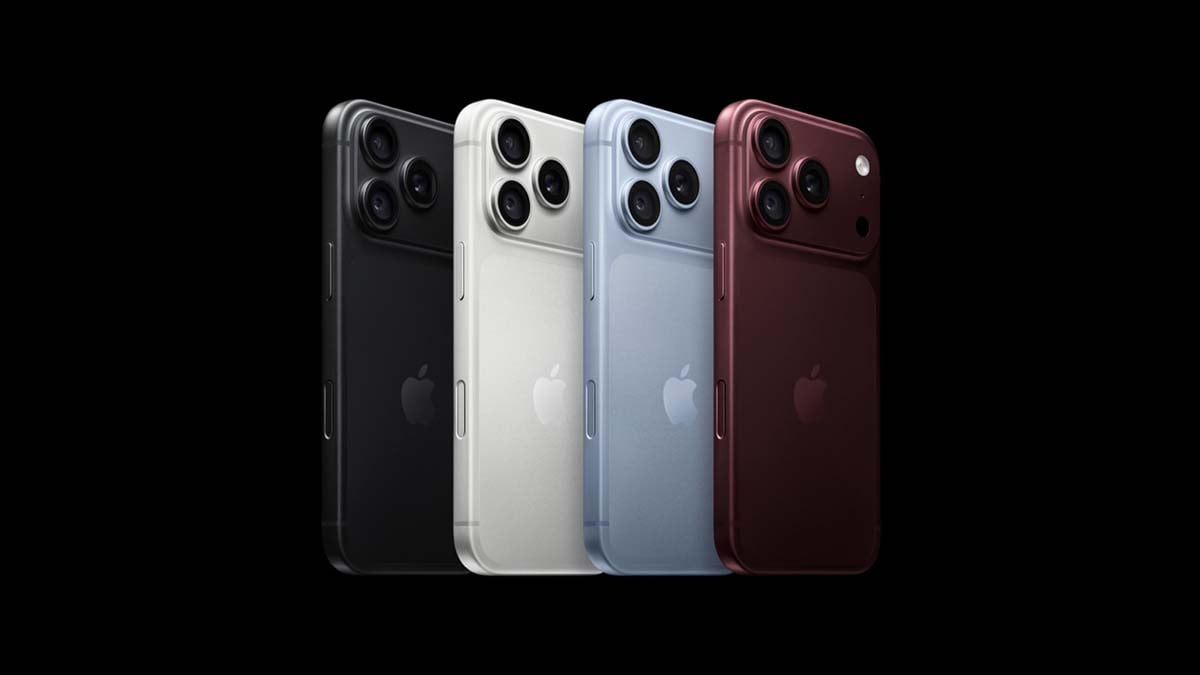
Apple has left the door open to adopting Chinese memory components, such as CXMT DRAM, as a global supply crunch reshapes hardware strategy across the consumer tech landscape.
Speaking in an interview published this week (via Chosun), newly appointed CEO John Ternus acknowledged that severe constraints in the memory market have forced Apple to review all available supply chain avenues.
While Ternus stopped short of directly naming specific suppliers, his remarks signal that Cupertino isn’t dismissing alternatives like CXMT as it scrambles to keep hardware pipelines moving.
The timing of these comments highlights the mounting pressure on Apple’s operational Playbook. Ternus is taking over during an extraordinary shift in semiconductor availability.
The explosive rise of AI infrastructure investments has diverted massive foundry capacity toward high-bandwidth memory for data centers, creating a severe ripple effect across standard DRAM modules.
That bottleneck has sent prices spiking for mobile components, with primary suppliers Samsung Electronics and SK Hynix aggressively hiking supply rates for low-power DRAM throughout the year.
Turning to CXMT is far from a simple business decision, however. Apple is already believed to be running early qualification tests on CXMT DRAM, earmarking them for Chinese variants of iPhones or Macs before considering a broader rollout.
Breaking away from Apple’s total reliance on Samsung, SK Hynix, and Micron would instantly weaken the pricing power held by traditional suppliers, fundamentally altering global component dynamics for seasons to come.
-

 News3 days ago
Galaxy S27 Ultra to use Exynos if Qualcomm fails to fix Snapdragon overheating
-
 One UI2 days ago
Samsung insider teases One UI 10 with significant and unprecedented changes
-

 News2 days ago
First Galaxy Z Fold 8 screen crack and Samsung’s refusal to ‘honor the warranty’
-

 WhatsApp2 days ago
WhatsApp testing two new chat bar designs for Android users