
News
Samsung forecast to ship 244 million smartphone OLED displays

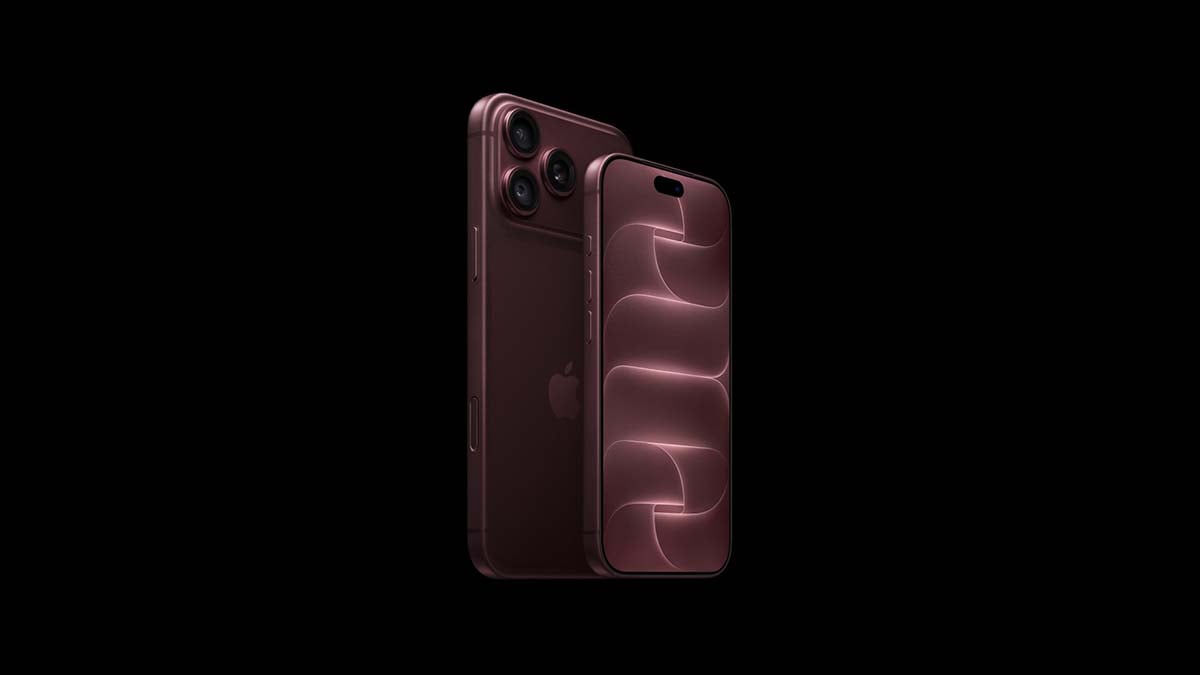
Samsung Display is on track for another strong year in the flexible OLED market, with a new industry forecast pointing to 244 million smartphone panels shipped in 2026.
Market research firm Sigmaintell presented the forecast at its September 9 conference in Pangyo, South Korea. The projected figure would represent an 11% increase from the 219 million flexible OLED panels Samsung Display shipped in 2025.
Samsung Display is expected to ship around 117 million panels during the first half of 2026 and another 126 million in the second half.
The company’s growth is notable because its customer base extends well beyond Samsung Electronics. The company supplies flexible OLED panels to Apple, Google and several major Chinese smartphone manufacturers.
The second half could remain important as Apple’s iPhone 18 Pro lineup enters the market, alongside the iPhone Duo. Earlier reports showed Samsung Display shipped roughly 120 million flexible OLED panels in the first half of 2026.
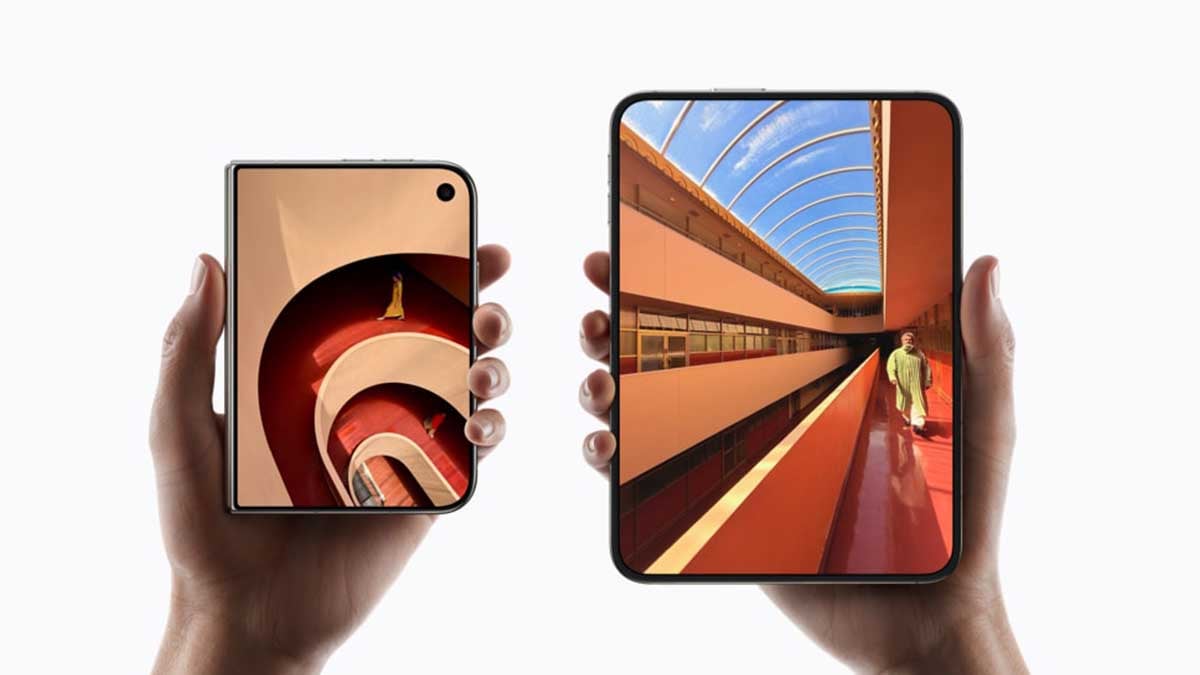
Sigmaintell forecasted that LG Display will ship 81 million iPhone OLED units this year, comprising 32 million units in the first half and 49 million units in the second half.
BOE’s expected smartphone flexible OLED shipments for this year total 153 million units, consisting of 81 million units in the first half and 71 million units in the second half.






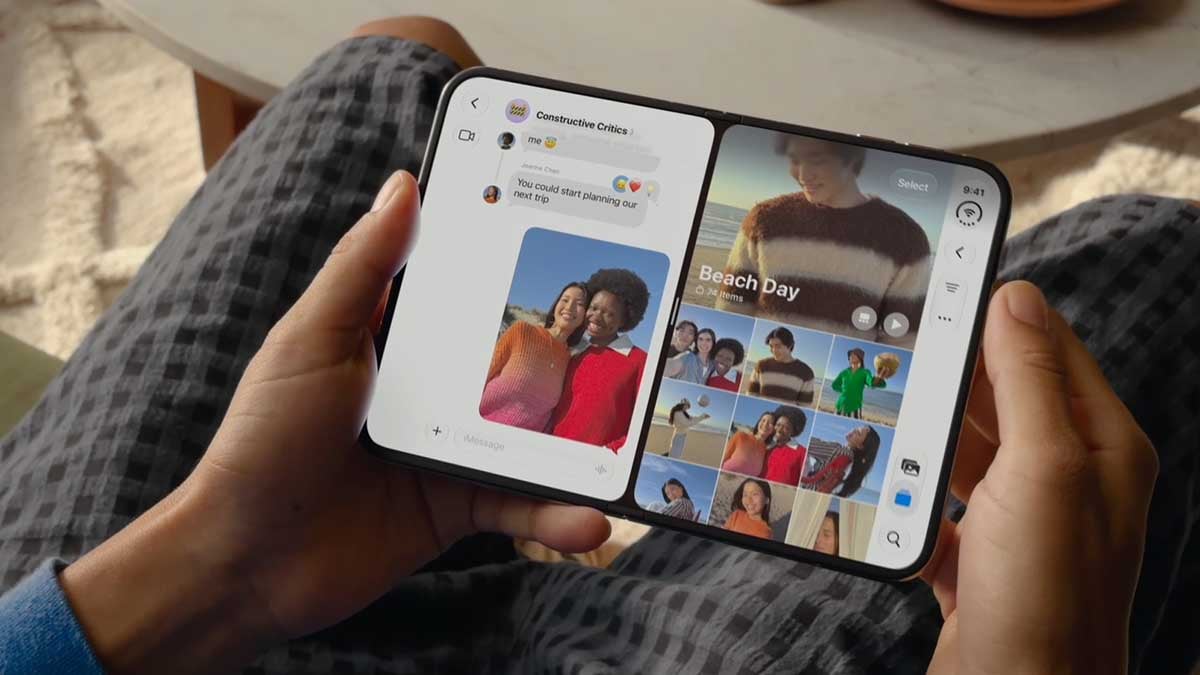
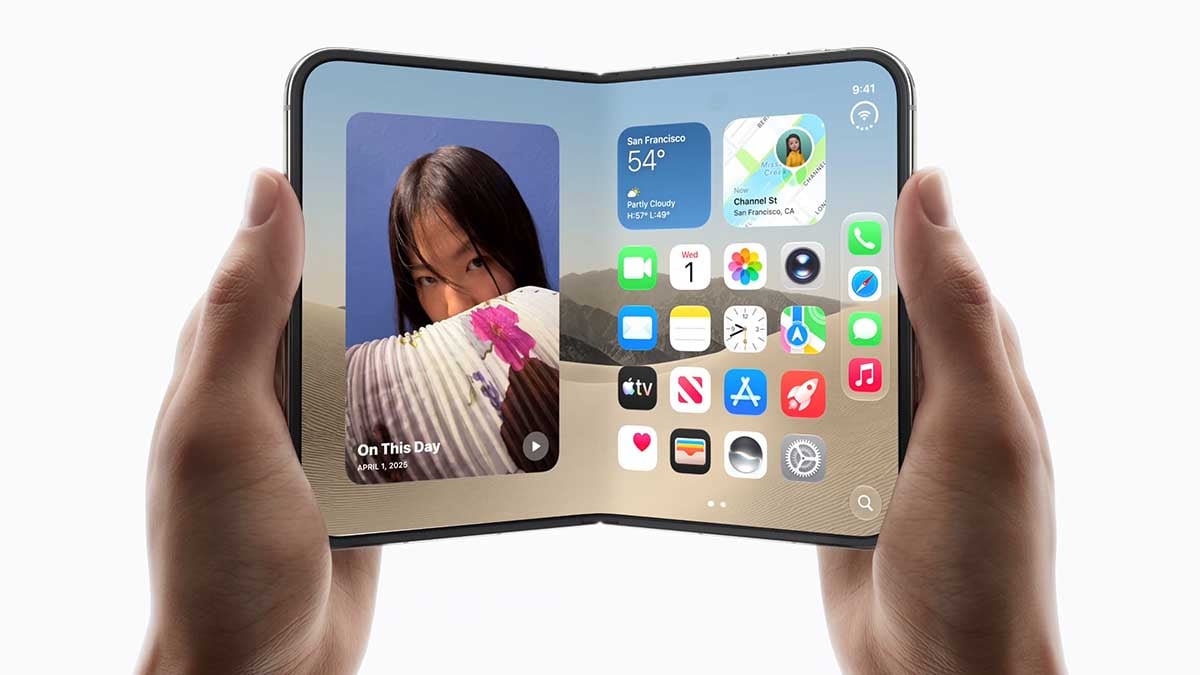
Apple has officially introduced the iPhone Duo, marking one of the biggest design changes in the iPhone lineup since the original model arrived. Apple has redesigned the hardware, cameras, and iOS experience around the two-screen form factor.
When unfolded, the iPhone Duo features a 7.6-inch Super Retina XDR display, giving users Apple’s largest-ever iPhone screen. The device folds down to a 5.4-inch outer display for everyday use, making it considerably more compact when carried around.
Both panels use the same aspect ratio, allowing apps and content to transition between the two screens without major changes in scale.
The inner display also gets ProMotion, Always-On functionality, and up to 3,000 nits of outdoor brightness. Apple has added a nano-texture surface to reduce reflections and make the fold less noticeable during normal use.
Support for Apple Pencil with USB-C is also planned for later this year.
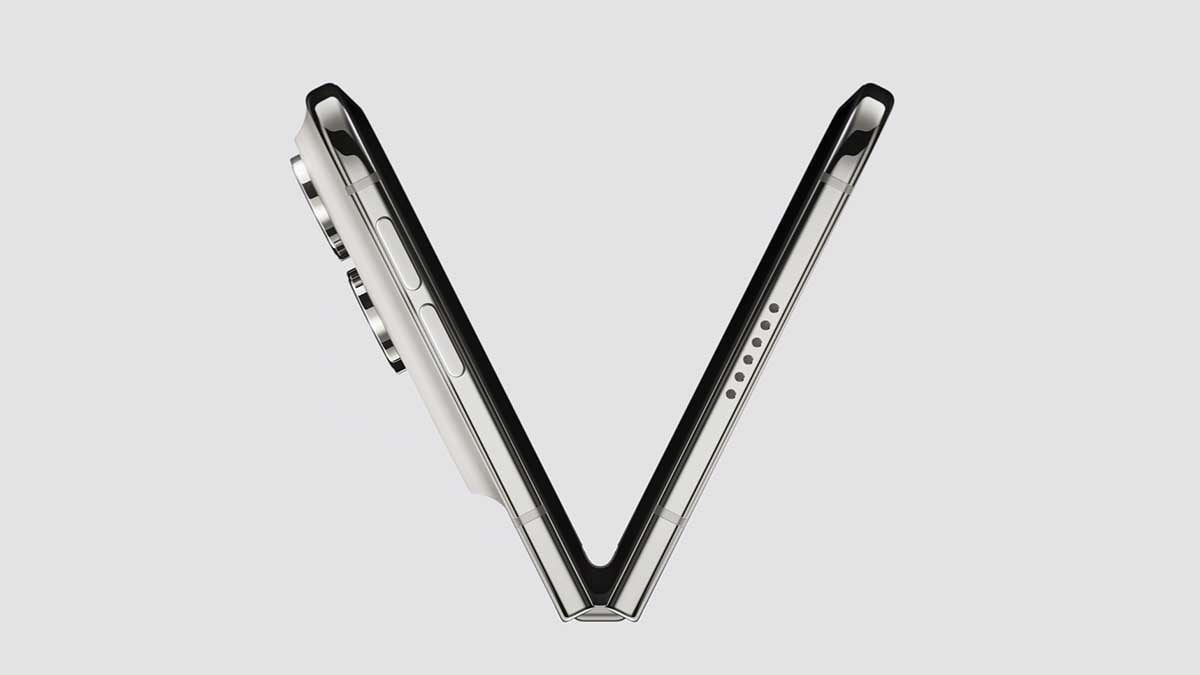
A foldable design built around durability
Apple is using grade 5 titanium for the iPhone Duo’s frame, paired with Ceramic Shield protection on the exterior. The outer display uses Ceramic Shield 2, which Apple says offers three times better scratch resistance than its previous generation.
48MP cameras with foldable-only features
The iPhone Duo comes with a 48MP Fusion Main camera featuring sensor-shift stabilization, a fast aperture and Apple’s latest computational photography processing. It is joined by a 48MP Fusion Ultra Wide camera with macro photography support.
Apple is also introducing Smart Take, which uses on-device AI to recognize when people are ready for a photo and automatically capture the moment.
Duo FaceTime can use the outer screen for video calls, while Dual Capture allows front and rear camera feeds to be shown simultaneously.
Video recording is equally ambitious, with the main camera supporting 4K video at 120fps in Dolby Vision.
The hinge is another major part of Apple’s approach
It contains more than 100 components and is designed to keep the central portion of the folding display supported when the phone is opened.
Apple has also used reinforced internal structures and specialized adhesives inside the display assembly to reduce stress as the panel repeatedly folds.
The result is an iPhone Duo that carries an IP68 rating for water, splash, and dust resistance, something that could be particularly important for users who have been hesitant about foldables because of long-term durability concerns.
iOS 27 gets a foldable makeover
Apple has redesigned iOS 27 to take advantage of the larger inner display.
iPhone Duo users can run two apps side by side, open two windows from the same app and save app combinations for later. StandBy has also been expanded so the folded or unfolded iPhone Duo can function as a clock, photo frame or widget hub.
Siri can understand on-screen information, work with personal context and perform actions across supported apps, making the larger display particularly useful for AI-assisted workflows.
iPhone Duo is powered by Apple’s 2nm-based A20 Pro chipset. The processor includes a six-core CPU, seven-core GPU and dual 16-core Neural Engine, with substantially higher memory bandwidth.
The iPhone Duo starts at $1,999 in the US with 256GB of storage and is available in Star White and Night Sky. Pre-orders begin October 16, with retail availability starting October 23 in more than 70 countries and regions, including India.
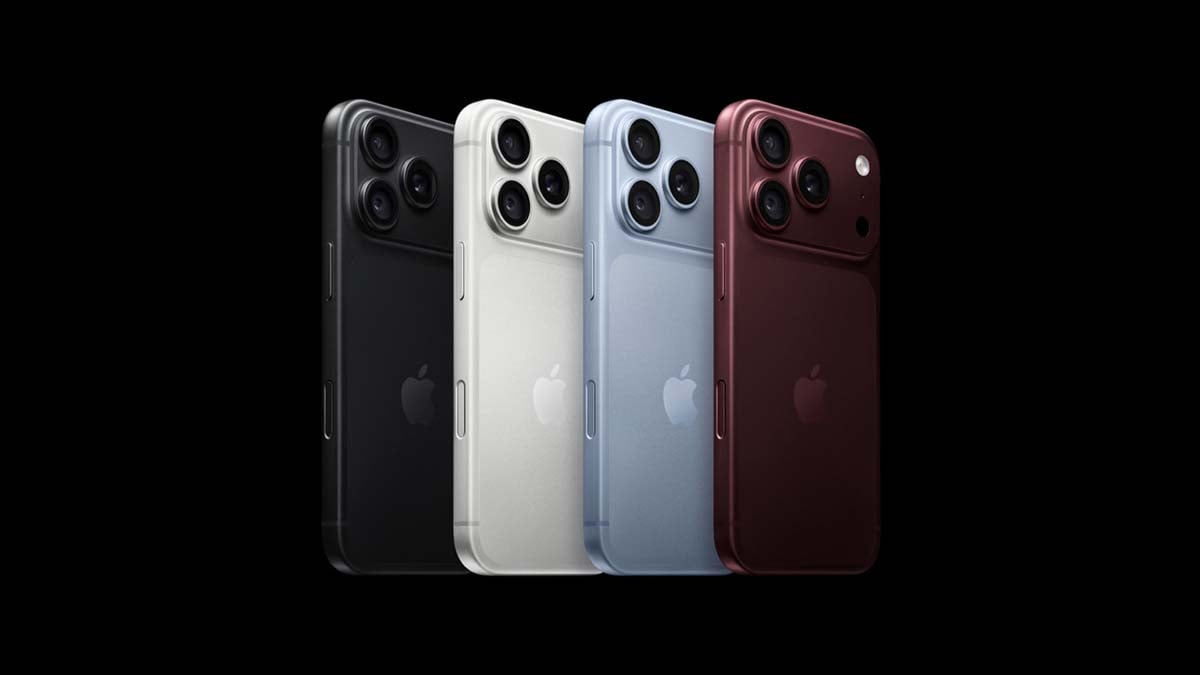
Apple is unveiling its new premium product lineup, including the iPhone 18 Pro series, iPhone Duo foldable, AirPods 5, Watch Series 12, and Watch Ultra 4.
Samsung, as always, is making full use of its US-based X handle to roast the latest Apple products, specifically the iPhone 18 Pro and iPhone Duo foldable.
Samsung roasting Apple Event in real time
Samsung Mobile US mocks the iPhone for feeling repetitive and unoriginal, comparing it to a “Groundhog Day” bedside clock.
Not the bed side clock. It's giving groundhog day.
— Samsung Mobile US (@SamsungMobileUS) September 9, 2026
Samsung teases Apple for merely reheating Samsung’s leftover features and ideas.
Let us know when you're done reheating our leftovers 😉
— Samsung Mobile US (@SamsungMobileUS) September 9, 2026
Samsung jokingly apologizes to Duolingo, claiming Apple also copied them with the “Duo” name for its foldable.
I'm so sorry, @DuoLingo. They copied us too #Solidarity
— Samsung Mobile US (@SamsungMobileUS) September 9, 2026
Samsung says the new iPhone design feels overly familiar, asking if it’s basically a Sims sequel.
It's feeling very familiar. Is this a Sims sequel…
— Samsung Mobile US (@SamsungMobileUS) September 9, 2026
Samsung responds to Apple making people wait by bragging that they’re already folding phones three ways.
Making us wait? Fine. We'll be over here, folding 3 ways.
— Samsung Mobile US (@SamsungMobileUS) September 9, 2026
Samsung dismisses Apple’s accessories as mere “condiments with no food” and urges people to switch.
Accessories? It’s giving condiments and no food. #ItsTimeToSwitch
— Samsung Mobile US (@SamsungMobileUS) September 9, 2026
News
Apple iPhone 18 Pro with variable aperture camera gets $100 price hike yet cheaper than Galaxy S26 Ultra
Apple officially launched the iPhone 18 Pro and iPhone 18 Pro Max with a $100 price hike in the US. Official pricing for other regions such as Asia and Europe remains to be revealed, but they will also see a price jump due to a memory crunch.
A price hike was inevitable due to rising memory costs, but Apple ate most of the cost burden at the expense of its profit to keep the iPhone 18 Pro and Pro Max price bump restricted to $100.
Apple iPhone 18 Pro and iPhone 18 Pro Max will be available in 256GB, 512GB, 1TB, and 2TB storage capacities.
- iPhone 18 Pro starts at $1,199 (U.S.)
- iPhone 18 Pro Max starts at $1,299 (U.S.)
Samsung and Google also slapped an extra $100 burden on their recent flagships, including the Galaxy S26 Ultra and Pixel 11 Pro series. Notably, the Galaxy S26 Ultra starts at $1,299 in the US, $100 pricier than the latest iPhone Pro.
iPhone 18 Pro is equipped with a 48MP Fusion Main camera, featuring a variable aperture.
iPhone 18 Pro makes it easy for anyone to capture stunning photos and videos using the variable aperture, while providing more versatility for creators and more control for pros.
Paired with impactful upgrades to Photographic Styles and powerful video capabilities, iPhone 18 Pro unlocks entirely new ways for users to express themselves.

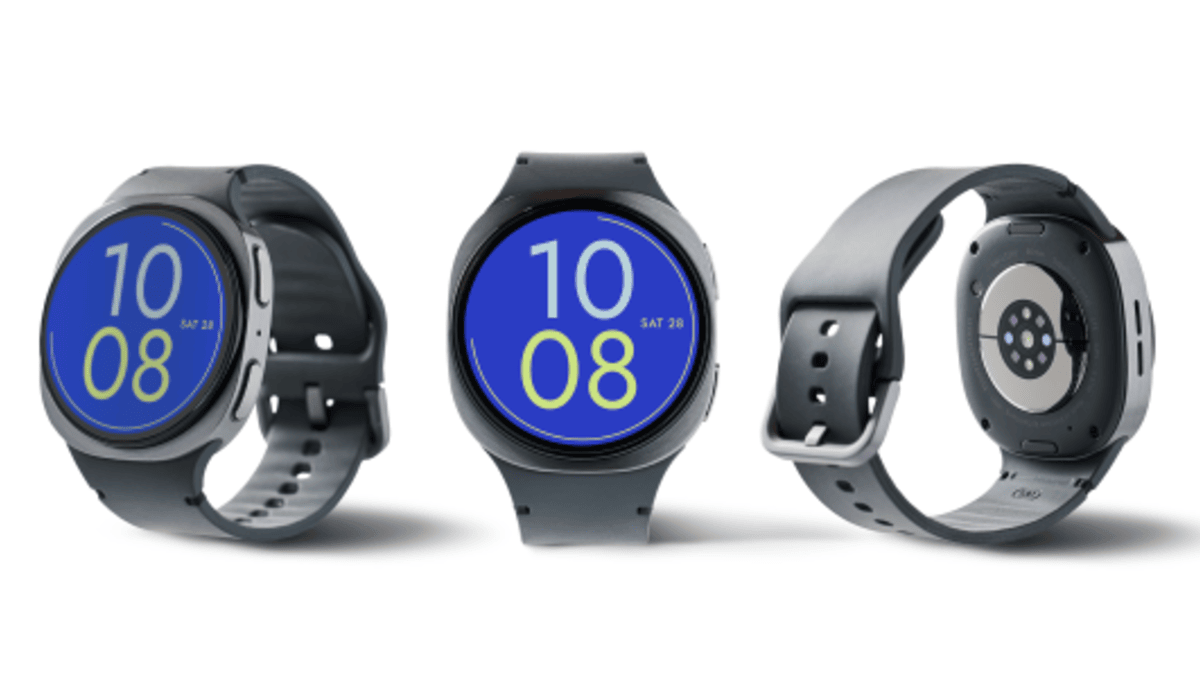
Bark Technologies has partnered with Samsung to launch a new smartwatch, Bark Watch, for children. The watch is made to give kids more freedom while helping parents keep them safe from online dangers.
The Bark Watch is built using the Samsung Galaxy Watch 8 40mm LTE. It has a strong Armor Aluminum body and an IP68 rating, making it suitable for active kids. The watch can also connect to a mobile network on its own, so children can make calls and send text messages without carrying a smartphone.
The watch comes with several useful features. Kids can use speech-to-text to write messages by speaking, while text-to-speech can read received messages aloud. It also has GPS location tracking and an Emergency SOS feature.
Parents can control who their children can call or message. They can also set specific times when calling and texting are allowed. This gives parents more control while allowing children to become more independent as they grow.
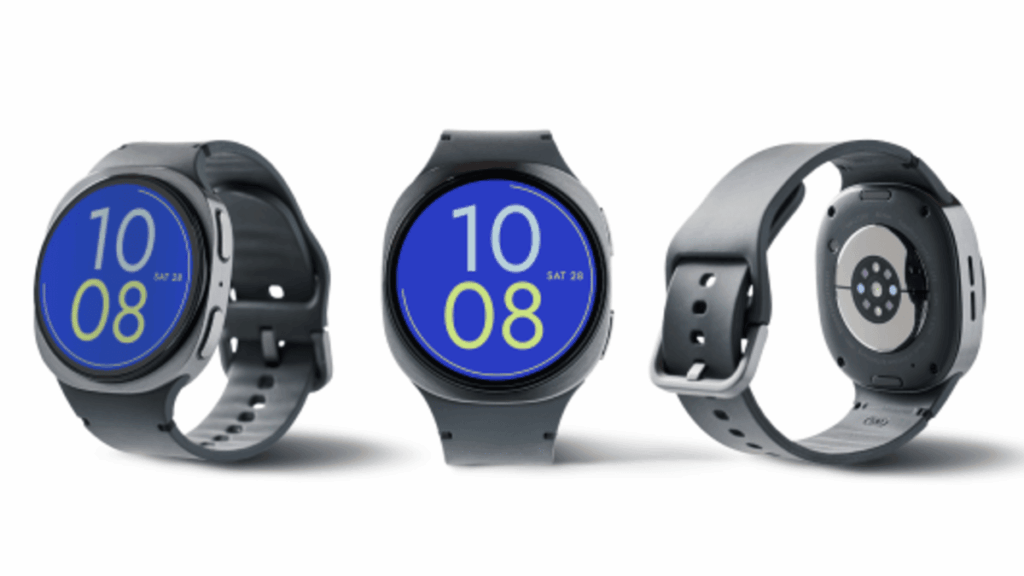
Image via Samsung
The main feature of Bark Watch is that it avoids many smartphone distractions. The watch does not have social media apps, internet browsers, mobile games, unrestricted app downloads, or a built-in camera.
Bark’s AI-powered safety software works in the background. It checks messages for possible problems such as cyberbullying, inappropriate content and other online threats. If it finds something concerning, it can alert parents.
The new Bark Watch costs $10 per month for 24 months for the device. Families also need to pay $15 per month for cellular service and parental controls. Optional protection against accidental damage, loss and theft costs an additional $4 per month.

The global chip manufacturing industry continued to grow strongly in the second quarter of 2026. According to TrendForce, the total revenue of the world’s top 10 chip foundries reached nearly $53.49 billion, up 11.5% from the previous quarter.
The main reason for this growth was the rising demand for chips used in AI, high-performance computers, smartphones, PCs, and other electronic devices.
TSMC remained the world’s biggest chipmaker. Its revenue reached nearly $40.2 billion, an increase of 12.1%. TSMC controlled 72.5% of the global foundry market. Strong demand for AI chips and advanced 3nm and 5/4nm chips helped the company maintain its lead. Its new 2nm technology also started generating revenue.
Samsung Foundry remained in second place, with revenue of $3.26 billion, up 1.8%. However, its market share fell to 5.9% because other companies grew faster. SMIC ranked third and showed the strongest growth among the top three. Its revenue increased 20% to more than $3 billion.
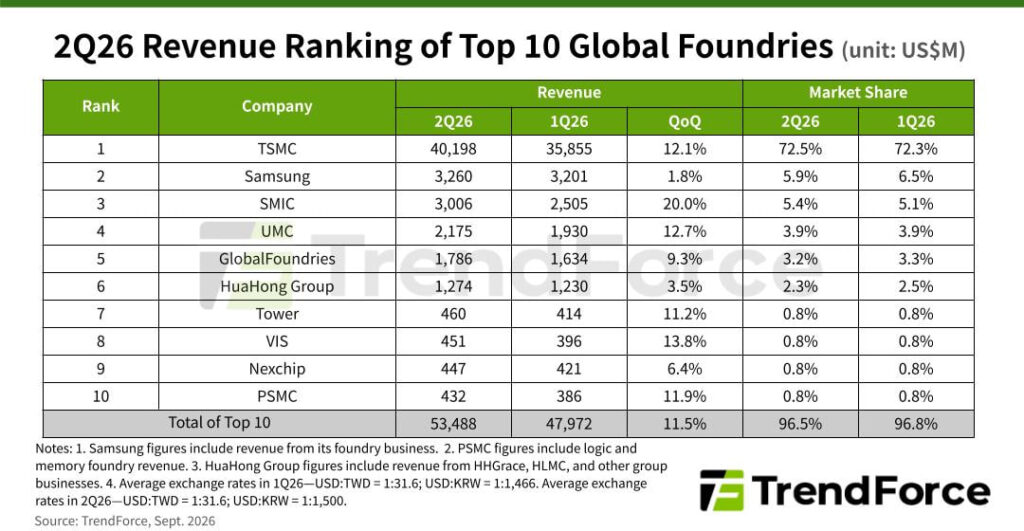
Image via TrendForce
SMIC’s market share rose to 5.4%, bringing it closer to Samsung. Strong demand for chips used in PCs, notebooks, AI systems, and networking products helped SMIC grow. UMC ranked fourth with revenue of nearly $2.18 billion, while GlobalFoundries ranked fifth with about US$1.79 billion.
Other major foundries, including HuaHong, Tower, VIS, Nexchip, and PSMC, also recorded growth. The industry to grow further in the third quarter due to strong demand for smartphones, AI, and advanced computer systems.
-
 One UI2 days ago
Samsung Galaxy A55 gets One UI 9 Beta and September 2026 patch
-
 One UI3 days ago
One UI 9 makes Galaxy displays smarter with new refresh rates
-

 One UI3 days ago
Samsung releases One UI 9 Beta for Galaxy Watch 6 and Classic – How to sign up and install
-
 Samsung2 days ago
Samsung updates One UI software rollout roadmap – September 2026