
News
Samsung develops a Galaxy Watch algorithm for heat stress detection


Thanks to SmartThings Pro upgrades, the Samsung Galaxy Watch can now be used for heat stress detection in certain use cases. The company today announced a new feature for industrial workers who wear a Galaxy Watch.
Samsung developed the SmartThings Pro Safety Management Solution. The system uses AI-powered B2B solution “SmartThings Pro” and Galaxy Watch with LTE to facilitate worker safety management via a cloud-based platform.
The solution has been available since September 2025 as part of Samsung’s SmartThings Pro Safety Management Solution, but this latest update improves both prediction accuracy and reliability.
The system brings together environmental information, including on-site temperature and humidity, with biometric data such as heart rate and activity levels.
How does Samsung use Galaxy Watch to predict heat-related illness?
The system monitors workers’ “apparent temperature” in real-time based on on-site temperature and humidity. It automatically triggers alerts on the manager’s dashboard when conditions meet the Ministry’s heatwave thresholds,
Upon receiving these alerts, managers can send notifications to workers’ smartwatches, warning them of heat-related risks and advising them to take breaks.
This solution is currently being implemented at the construction site for a new semiconductor production line at the Pyeongtaek Campus.
The system is characterized by its ability to predict core body temperature in real-time and issue alerts based on risk levels by comprehensively analyzing personal physical data, such as height, weight, gender, and age, alongside work environment data (temperature and humidity) and heart rate patterns.


A new industry report reveals the Korean prices and release date of Samsung’s upcoming Galaxy Z Fold 8, Galaxy Z Fold 8 Ultra, and Galaxy Z Flip 8.
According to Bloter, Samsung will unveil its next-generation foldable phones on July 22 in London. Pre-orders in Korea could start on July 28 and run through August 3. Early-bird sales begin on August 4, followed by a general release.
Earlier, a retailer listing revealed that the launch will happen on July 22 and sales could begin on August 5. However, the Korean release dates are different, with public sale reportedly set to start on Friday, August 7.
Galaxy Z Flip 8, Fold 8 and Fold 8 Ultra Korean prices leak
The Bloter report also sheds light on the potential prices. Being a new entrant, the Galaxy Z Fold 8 (Wide) is away from the price increase debate. Meanwhile, the Z Flip 8 and Z Fold 8 Ultra could be seeing a price bump in Korea.
Galaxy Z Fold 8 Wide
- 256GB: 2,278,000 KRW (~$1,485)
- 512GB: 2,531,000 KRW (~$1,650)
- Around 101,300 KRW (~$66) cheaper than the Galaxy Z Fold 7 (256GB).
Galaxy Z Fold 8 Ultra
- 256GB: 2,577,000 KRW (~$1,681)
- 512GB: 2,830,000 KRW (~$1,846)
- Around 197,700 KRW (~$129) more expensive than the Galaxy Z Fold 7 (256GB).
Galaxy Z Flip 8
- 256GB: 1,683,000 KRW (~$1,097)
- 512GB: 1,936,000 KRW (~$1,262)
- Around 198,000 KRW (~$129) more expensive than the Galaxy Z Flip 7 (256GB).
Converted from KRW to USD using an exchange rate of $1 = 1,533.51 KRW.
Recently, a credible source revealed European pricing information. The upcoming foldables may come with increased prices. The Z Flip 8 base version could be around $100 pricier, while the 1TB model of Z Fold 8 Ultra could be $300 more expensive.
Samsung’s new foldables arriving with Snapdragon 8 Elite Gen 5 chip, Android 17-based One UI 9, advanced Agentic AI, Gemini Intelligence and plenty of new features.

Source – Ice Universe

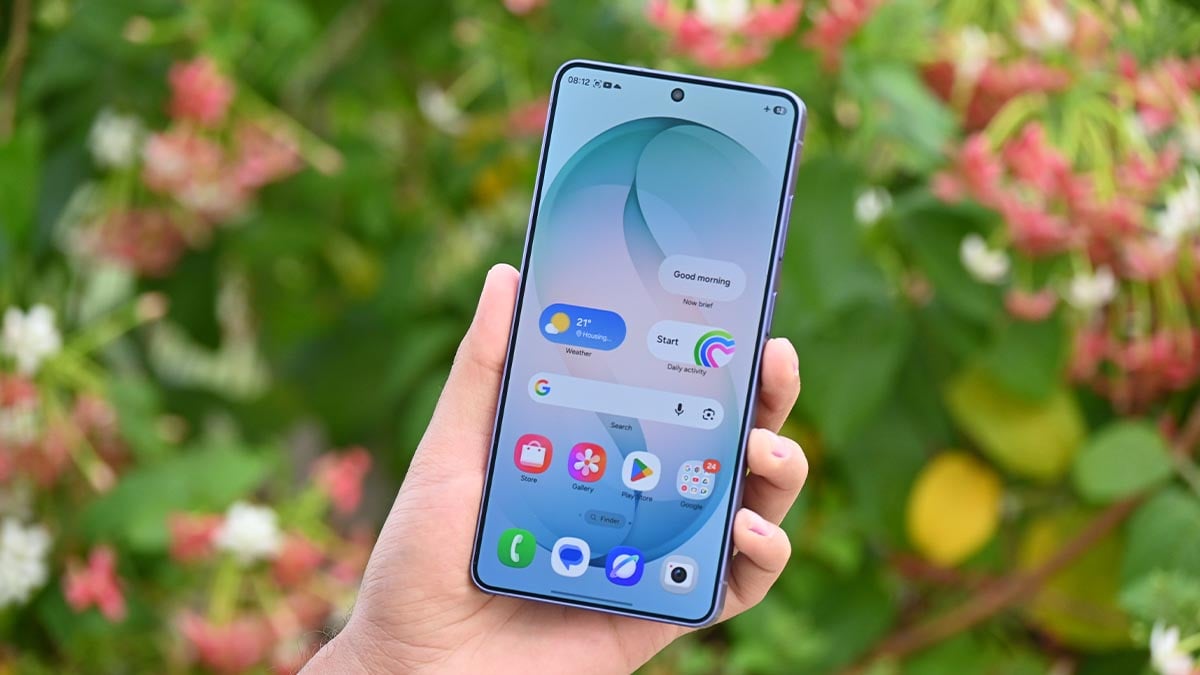
Chinese Display supplier BOE has reportedly given up on the Galaxy S27 series supply chain for OLED panels, and this move will have two major implications for the next Galaxy S series.
Samsung MX division, which makes consumer devices including smartphones, has been using display panels from Samsung Display. Despite buying from in-house, the MX division has no control over prices. Because both divisions operate separately and their leaders must make profits.
Though Samsung is known for its OLED panel quality, it charges slightly higher than BOE, which makes the Chinese company a suitable option to reduce the device cost.
Recently, Samsung Electronics president Roh Tae-Moon visited China on a business trip, where he reportedly met with BOE officials. Speculations were high that BOE could be shipping displays for the base and Plus models.
The meeting didn’t go well, and BOE has called this deal off right after TM Roh’s visit. It is also reported that BOE was heavily invested in preparing panels for the Galaxy S27 series, but Samsung’s internal concerns have brought supply talks to an end.
However, the company hasn’t completely closed its supply chain efforts for Samsung devices. So, it may try again with the Galaxy S28 series or any other phone.
RAM Price
The electronics industry is going through a DRAM pandemic, and Samsung’s DS division is part of the part the problem. Production has been reduced, and the existing share has been diverted to HBM customers such as big AI companies.
In this situation, memory makers are selling DRAM at higher-than-ever prices. In the first quarter of 2026, DRAM has jumped up by 90%, taking it to around $150 for 12GB RAM. That’s not it; the prices could continue to increase through Q3.
That will add further burden on the upcoming flagship phones. So, either Samsung reduces its Galaxy S27 production target, or it will have to increase device prices more to offset the loss.
Slightly cheaper display panels could have saved a tiny bit of price burden, but that chance is reportedly gone. However, we’re still half a year away from the Galaxy S27 series launch, and anything could happen.
Samsung is expected to launch the Galaxy S27 series in the first quarter of 2027.
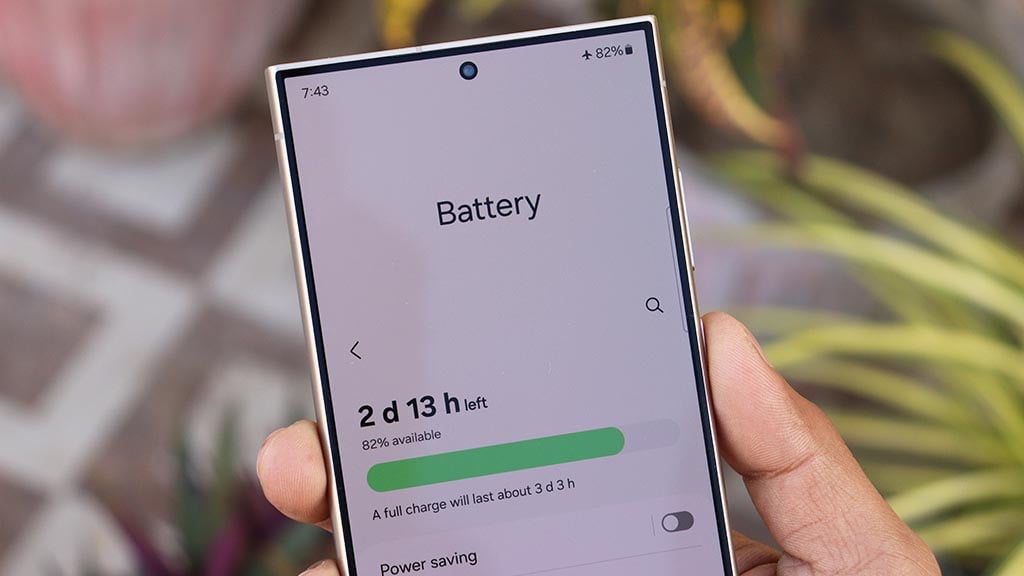
Samsung Galaxy S27 series will consist of four models with different specs. While future consumers are worried about the price increase, another concern is brewing: whether the Galaxy S27 Ultra model breaks away from the 5000mAh battery.
The Korean phone maker first introduced this battery capacity with the Galaxy S20 Ultra in 2020. This move was widely praised in the industry for its long power backup. However, Samsung kept this battery all the way to the Galaxy S26 Ultra. The phone offers 31 hours of video playback on a full charge, up 1 hour from the previous generation.
This increase comes from the power efficiency offered by the Snapdragon 8 Elite Gen 5 chipset and the in-house software optimizations.
At the same time, Chinese phone makers are offering up to a 10,000mAh battery in mid-range phones and a 6,000mAh battery in flagship devices. Meanwhile, Samsung is still finding ways to tune the existing battery that it has used in the past six flagships.
On the other hand, Samsung is only investing time in Galaxy AI, and its rival Apple has taken the lead in this segment. The iPhone 17 Pro Max comes with a 5,088mAh battery. It shows that Apple is thinking about battery life improvement, which is something worth noticing.
What makes it interesting is that Apple’s on-device optimizations are far better than Samsung’s, which has an Android base and third-party chipset. Therefore, the iPhone 17 Pro Max offers a longer screen time than the Galaxy S26 Ultra.
Rumors
A recent rumor suggests that Samsung may test 5600mAh and 5800mAh batteries for its future Galaxy devices. However, these tests are in early stages, and a conclusion is yet to come.
If everything goes right, the Galaxy S27 Ultra could pick either one of these battery packs. One positive side of these batteries is that they’re not silicon-carbon batteries, which Samsung is currently avoiding. Still, this comes from the rumor mill, and Samsung is known for playing safe with battery and camera upgrades.
Either way, the Galaxy S27 Ultra should be getting a new battery capacity because Samsung’s 5000mAh battery pack has become old.

Apple is working its way toward the launch of the first foldable iPhone, and it has secured the foldable display panel from Samsung as its sole supplier for the next three years, but why Samsung? We have an answer to this question.
The recent report from TheLec suggests that Apple has contracted Samsung to make foldable display panels for its upcoming iPhone Ultra-wide-folding iPhone. The early shipment for the foldable iPhone is set around 3 million units, which is expected to remain in check for the next three years, under an exclusive supplier agreement between the two companies.
Why Samsung?
Samsung has established itself as the leader in the foldable smartphone market since the very beginning. Its subsidiary, Samsung Display, continues to innovate new display technologies.
At CES 2026, Samsung showcased its advanced crease-free folding screen, which solves the biggest aesthetic and user experience problem in foldable smartphones. It feels like there is no crease at all in this new smartphone.
There is no other company that has pulled this tech off their manufacturing line, as they struggle to make the crease go away. Therefore, Apple has set a quality standard for its upcoming foldable to make it a success.
And after testing the display panels from Samsung for a year, Apple has approved Samsung’s quality standards and ordered the company to produce 3 million panels. That’s an initial supply order; a new report reveals that Apple has plans to produce at least 10 million units of its first-gen foldable.
Another reason for Apple to go to Samsung is its stability. The two companies have been working together for a long time, and they have developed a secure supply chain that has become an important part of Apple’s component demand. Samsung offers assurance, which the company could not get through its substitutes.
The one and final reason is that, in price negotiations, Apple could negotiate prices with the display provider, and Samsung is perfect to press on.
These are pretty convincing reasons, which show why Apple has chosen Samsung as its iPhone Ultra foldable display provider.

Samsung Galaxy S27 Ultra could come with a new camera sensor upgrade that may finally end the long-standing reign of the 12MP selfie resolution.
The 12MP camera has been in action since the S23 series, and Samsung hasn’t paid much of the attention to this camera for the past three years. The Galaxy S26 Ultra features the same 12MP camera with an f/2.2 aperture as the S23 Ultra.
These reiterations have been called in the past by consumers, but it had no effect until a recent phenomenon. This may have triggered Samsung to change its approach for the selfie camera.
Last year, Apple released the iPhone 17 series with a 24MP square selfie camera. It is an upgrade from the 12MP used in the previous generations. This is a rather interesting technology that Samsung may have been exploring after the iPhone 17 release.
It’s called the Center Stage camera and has the following advantages over the 12MP lens:
- Offers higher megapixels, bringing better resolution and color details
- This new sensor supports better image stabilization in photos and videos.
- The sensor is square, but standard photos are rectangular, enabling users to take full 18MP landscape photos while keeping the photo vertical. The phone does so automatically, as soon as it detects multiple people in the frame.
Since Samsung follows Apple, the next move might take us to a better selfie camera.
According to a new report, the Galaxy S27 Pro and Ultra are getting a 16MP camera, while the base model might continue with a 12MP sensor. The Korean phone maker likes to keep the difference pretty obvious and give the top two devices this special treatment. Samsung will unveil the Galaxy S27 series in early 2027.
-
 Featured1 day ago
Samsung One UI 9 release date: Here’s when you could get major Android 17 software update
-
 One UI2 days ago
One UI 9.0 (Android 17) testing on these 37 Samsung devices
-
 Phones3 days ago
Samsung Galaxy Z Flip 8, Fold 8 and Ultra design revealed in cases; reservations open in China
-
 Wearables1 day ago
Galaxy Watch 9 AI Health features and One UI 9 watch faces revealed in a massive leak