
News
Samsung reportedly involved in SpaceX xAI satellite chip project


Samsung is quietly making moves in space. Reports have surfaced linking Samsung to early-stage production of AI space computing chips tied to SpaceX xAI satellite chip ambitions.
The Samsung xAI satellite chip work is reportedly small-volume at this stage, with TSMC also named as a manufacturing partner. Neither company has confirmed anything officially, which tracks.
Early-stage chip production could mean anything from prototype silicon to limited qualification runs. But Samsung doesn’t show up in supply chains like this by accident; if this is real, Samsung just bought a seat at the table for the next era of computing.
SpaceX’s xAI is rapidly advancing AI-powered in-orbit satellite development, with Samsung Electronics and TSMC reportedly involved in early-stage small-volume production of AI space computing chips.
Elon Musk’s SpaceX isn’t just launching rockets anymore; the company is building Terafab, its own AI space computing chip facility, and the ambition behind it is real.
SpaceX wants satellites that don’t just relay data but actually process it. Think agricultural monitoring, maritime tracking, and environmental surveillance, all analyzed in orbit, with only the processed results beaming down.
TrendForce projects the satellite industry will hit $447 billion by 2027, growing at 14% annually. SpaceX moved aggressively on spectrum, snapping up EchoStar’s AWS-3, AWS-4, and H-Block assets to accelerate direct-to-cell services.




Gmarket announced its Wrap Up sale for the first half, bringing Samsung’s Galaxy S26 (256GB) at its lowest price in South Korea.
Samsung had raised the prices across the Galaxy S26 series, and preorder offers gave some relief to early buyers. As soon as they end, consumers have no way to save that much on the new flagship phones from Samsung.
Well, Gmarket has brought a sweet deal on the Samsung Galaxy S26 in South Korea at ~ $820. As part of its special first-half wrap-up sale, the platform is offering the flagship smartphone at the “lowest price” in the country.
A Gmarket official stated, “We have gathered popular products across various categories, ranging from cost-effective, high-spec laptops to seasonal foods and summer outing looks, in one place to offer additional discount benefits. Since this is a great opportunity to make purchases at reasonable prices, we hope for a lot of interest.”
Gmarket will provide coupons ranging from 7 percent to 15 percent for additional savings. Shoppers in South Korea, who are wondering about getting a new Galaxy flagship, can look at this deal, which offers massive savings.

Samsung has a massive plan to open its Tizen operating system and evolve the free streaming segment. The company is intensifying its efforts in the TV and streaming segment, and this one has nothing to do with phones.
According to DDaily, Samsung plans to build a Tizen OS-based open platform ecosystem and nurture the FAST (free) streaming hub. The plan includes expansive distribution of K-content and lower entry barriers for creators.
The company has reportedly presented this strategic direction during a corporate roundtable discussion titled “Strengthening Global Competitiveness of Free Ad-supported Streaming TV (FAST) Services.”
Samsung has TV Plus for TVs and phones, which offers free access to hundreds of channels. It’s based on the FAST platform, which relies on ads to live. You pay nothing to watch TV channels, and ads earn money for providers.
FAST platform isn’t very famous in South Korea. Meanwhile, the FAST streaming is growing in North American markets, which include the United States. That said, Samsung and LG are looking to expand and accelerate FAST.
In this context, Samsung is moving to build a Tizen-based open platform ecosystem where content providers can easily launch and distribute FAST channels. Registration could be simplified so that anyone can register and program content.
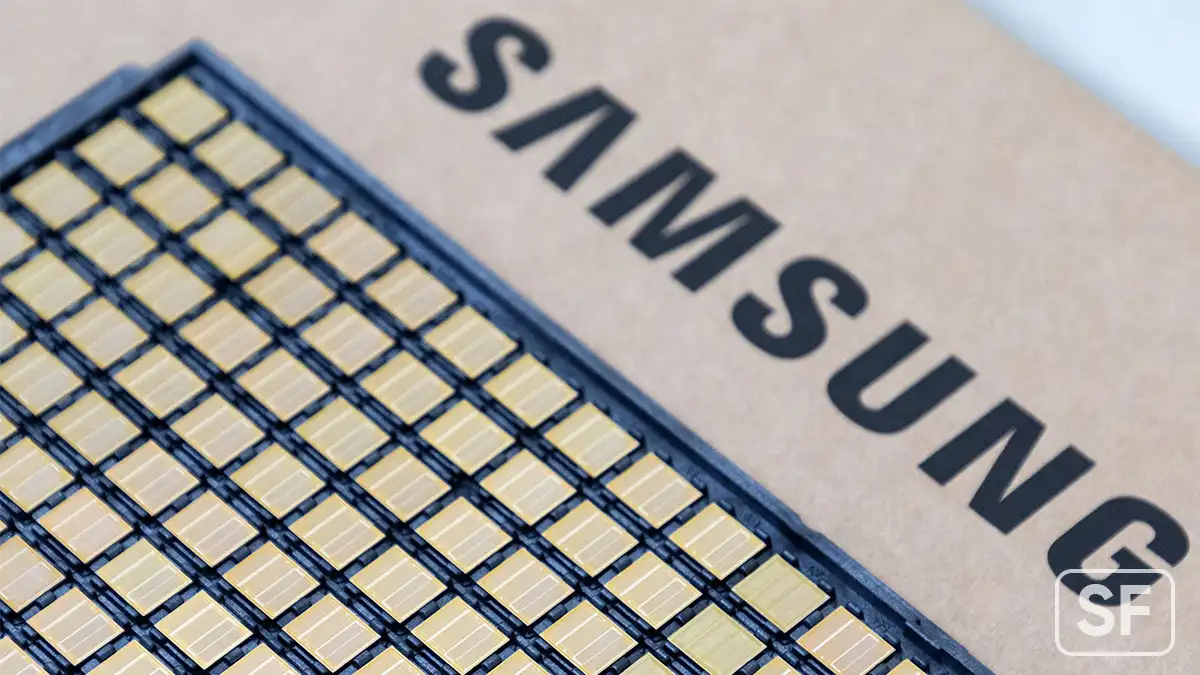
NVIDIA CEO fled to Korea after a massive AI reveal at Computex 2026 in Taiwan. The official will be unveiling the partnership with SK Hynix today. A report suggests that NVIDIA CEO could also be meeting Samsung memory chief to discuss HBM.
According to futubull, NVIDIA CEO Jensen Huang is scheduled to meet with Samsung Electronics Vice Chairman Jun Young-hyun to discuss issues and developments, including the supply of high-bandwidth memory (HBM).
It’s going to be a crucial meeting for Samsung’s side as NVIDIA just officially confirmed HBM4 is powering its next-gen AI accelerators.
Beyond HBM4, Huang’s agenda might also include a briefing on Samsung’s progress on the HBM4E memory chips as well as the future HBM5 solutions.

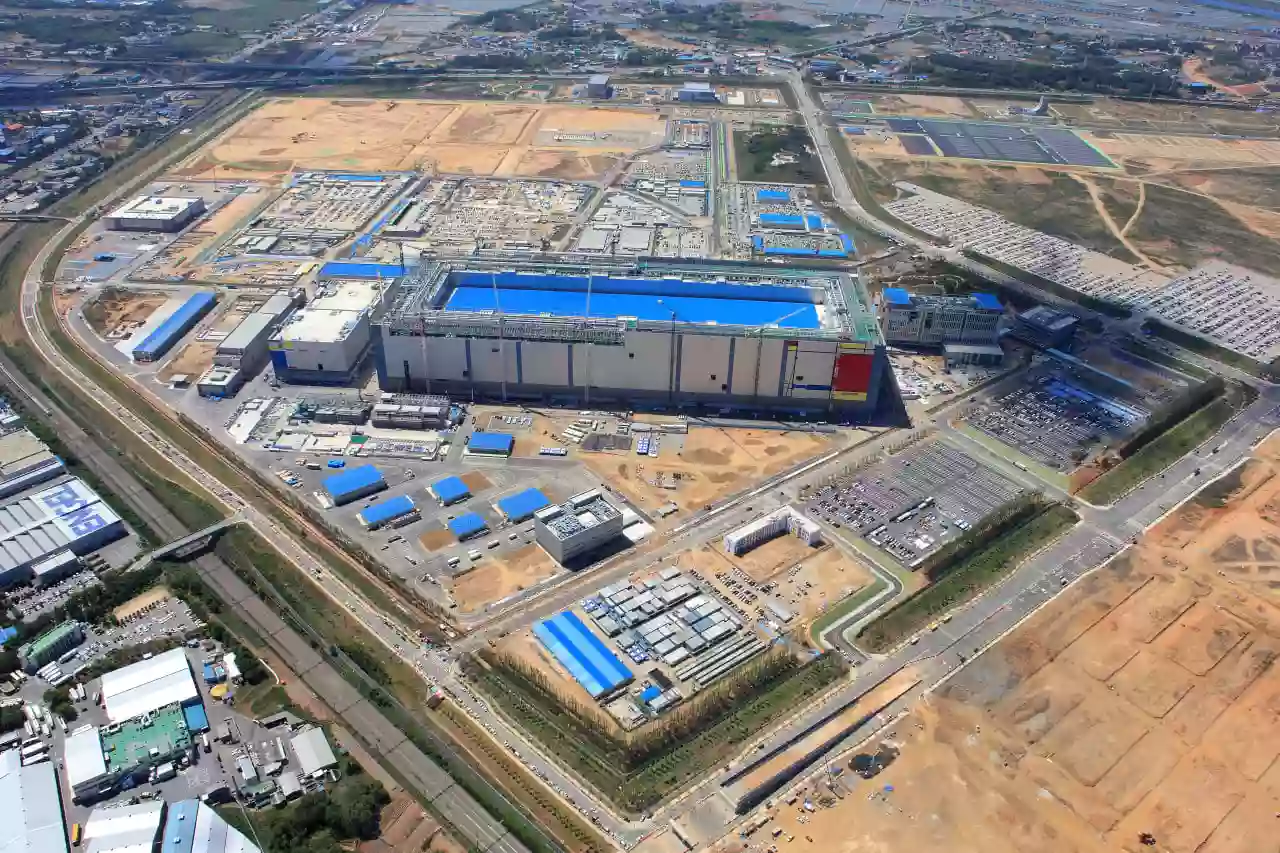
Samsung Electronics’ foundry business is expected to turn profitable as early as the third quarter of 2026. This would mark the end of four years of heavy losses and signal a strong recovery for the division.
According to Biz Chosun (via @SemiconductorsX), the company has made solid progress. Its 2-nanometer GAA process has already achieved over 60% yield in the first quarter, a key step toward the 70% level needed for efficient mass production.
In addition, major orders are also supporting results, including a large autonomous driving chip deal with Tesla and chip production for Nvidia. Thanks to the high demand for HBM base dies, supplies are already selling out quickly.
Another positive factor is Samsung’s massive Taylor fab in Texas. Once it ramps up production in the second half of the year, it should help cover fixed costs instead of adding to them.
This turnaround is significant because Samsung’s foundry business has been a weak spot compared to TSMC for years. With TSMC’s advanced lines busy serving AI chip demand, more customers, including Apple and Nintendo, are turning to Samsung as a reliable alternative.
If this good momentum continues, Samsung can become stronger in the competitive foundry market and significantly improve its overall semiconductor profits.

Samsung is on course to deliver one of the strongest quarters in its history as the AI boom continues to reshape the semiconductor industry in Q2 2026.
Industry estimates (via MojoTrick) suggest the company could report second-quarter revenue of 171.73 trillion won, and operating profit of 88.30 trillion won, marking a staggering 1,788% increase from the same period a year ago.
The numbers highlight how the memory market has recovered from its downturn. Revenue is projected to climb roughly 130% year-over-year, while operating profit could exceed the previous quarter by more than 30 trillion won.
Analysts estimate that the company’s Device Solutions (DS) division has contributed about 95% of Samsung’s total operating profit so far this year.
Industry estimates indicate Samsung generated roughly 60 to 70 trillion won in operating profit from DRAM during the quarter, while NAND flash contributed around 20 trillion won.
SK Hynix is also expected to post another record-breaking quarter, with revenue projected to reach 83.41 trillion won and operating profit forecast at 64.32 trillion won.
Even Taiwan’s foundry giant, TSMC, long considered the benchmark for profitability and operational efficiency, is expected to report second-quarter operating margins between 56.5 percent and 58.5 percent.
-
 Android2 days ago
Android 17 coming to these Samsung Galaxy phones – Good news for many users
-
 Updates3 days ago
Samsung’s Google Play system update streak hits 7 in 2026
-
 Android2 days ago
Samsung phones refreshing 10+ Android Intelligence features
-
 News2 days ago
Galaxy S26 Ultra was right on iPhone 17 Pro’s heels in the US