
Phones
Galaxy S27 Ultra camera may adopt natural colors, improved Log video


Samsung may be rethinking its camera approach with the next-generation Galaxy flagship. The upcoming Galaxy S27 Ultra is rumored to introduce an updated Log format and APV codec, along with warmer, more natural colors.
Tipster @WalleGalaxy shared three updates linked to the Galaxy S27 Ultra’s potential camera changes. The device may keep its hardware largely unchanged, but software improvements could deliver better results.
First, the Galaxy S27 Ultra is expected to support updated versions of the Log format and APV (Advanced Professional Video) codec for recording. These upgrades are expected to result in more high-dynamic-range videos than the S26 Ultra.
Second, the company appears to be rethinking how Galaxy cameras capture. The Galaxy S27 Ultra may mark the first major shift toward prioritizing natural shots with warmer tones, dropping the cooler shades in the past.
Galaxy S27 Ultra camera may offer more natural-looking photos. The company has reportedly tweaked the algorithm for photos, while the video segment remains a mystery. Don’t expect video resolutions beyond 4K at 120 FPS and 8K at 30 FPS.
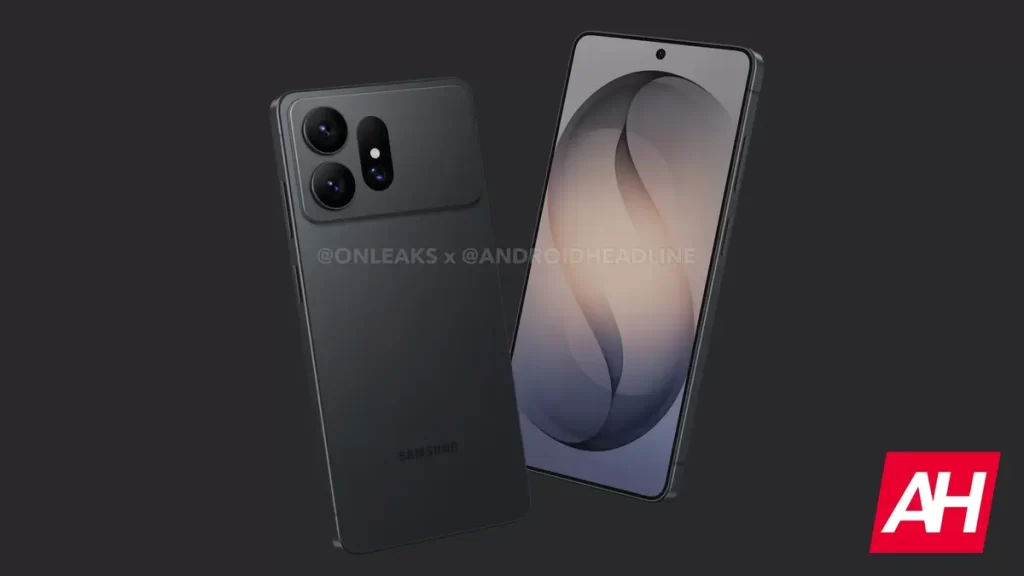
Image via Android Headlines
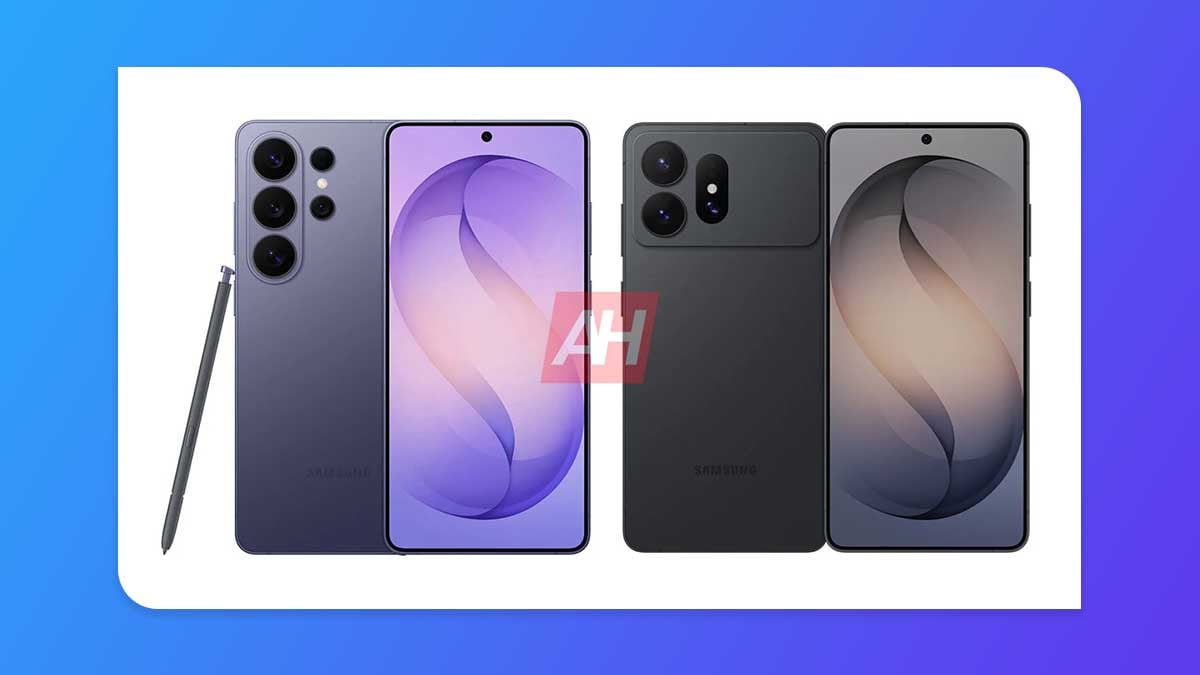
Galaxy S27 Ultra may introduce a new camera setup, dropping the second telephoto sensor. The device will have three cameras, including a 200-megapixel main, a 50-megapixel ultrawide, and a 50-megapixel periscope telephoto.
Samsung may replace the ISOCELL sensor with Sony for ultrawide module. Meanwhile, the periscope camera is slated to be recycled. The main camera may also see a generational shift, as the ISOCELL HP2 has been debuting since 2023.
You may like:






India’s consumer regulator is investigating Apple over problems reported after the iOS 18 update. The regulator is checking complaints from iPhone users who faced problems after installing the update.
Some users said green, pink, or white lines appeared on their iPhone screens. Others reported problems with the microphone and other phone features. Many customers said they had to spend a lot of money to repair their phones.
The Central Consumer Protection Authority (CCPA) received these complaints. It says customers should not have to pay for repairs if the problems were caused by Apple’s software update. On July 29, the CCPA sent the case for a detailed investigation.
Apple has denied the claims. The company says iOS 18 was tested carefully before it was released. Apple also says it has not found any major or widespread problems with the update in India.
Samsung Galaxy and Apple iPhone – Hands on
Also, Apple says its software is provided without a warranty. It says customers are informed about this before installing an update. Apple also says other technology companies have similar warranty rules.
The investigation may be important for iPhone users in India. If Apple is found responsible, it could face a fine. The regulator may also ask Apple to change its warranty rules, give better information to customers, or provide refunds to affected users.
India is an important market for Apple. Its iPhone market share increased from about 4% in 2022 to 9% last year. The case could also lead to better protection for customers when software updates cause problems. Stay tuned for more information.

Samsung is reportedly planning to add a new Pro model to its Galaxy S series next year. The company may launch the Galaxy S27, Galaxy S27 Plus, Galaxy S27 Pro, and Galaxy S27 Ultra as part of its 2027 flagship lineup. A new leak has now revealed more information about the Galaxy S27 Pro.
Tipster @Mohammed_K_2010 has spotted a Samsung phone battery on the BIS certification database. The battery carries the model number EB-BS957CBY and is believed to belong to the Galaxy S27 Pro.
The BIS listing does not reveal many details about the phone. But it adds more evidence that Samsung could be working on a new Pro model.
The Galaxy S27 Pro was already mentioned in an earlier 3C certification leak. The phone could support 60W wired charging. This would put the S27 Pro among Samsung’s fastest-charging Galaxy phones. The Galaxy S27 Ultra is also expected to support the same 60W charging speed.

Image via AndroidHeadlines
The Pro model could also get a 5,200mAh battery. Samsung may use silicon-carbon battery technology, which could help the company offer a bigger battery without making the phone much thicker. The S27 Ultra is also rumored to feature this technology with a larger 5,700mAh battery.
Earlier leaks suggest that Samsung could keep 25W charging for the Galaxy S27, while the Galaxy S27 Plus may support 45W charging.
The Galaxy S27 series is expected to launch in early 2027. Samsung has not officially confirmed the Galaxy S27 Pro or its specifications yet, so these details should be treated as leaks for now. Stay tuned.

Samsung may be rethinking its launch strategy for the Galaxy Z TriFold 2 and its first Rollable display phone following Apple’s introduction of the iPhone Duo.
According to leaker Lanzuk, Samsung is now considering bringing the Galaxy Z TriFold 2 to market earlier than originally planned. The company could also accelerate its rumored rollable phone, although a specific launch window has not been revealed.
A thinner and lighter TriFold could be coming
The first TriFold gave Samsung a head start in a completely new foldable category, but its limited availability and nearly $2,900 price tag kept it firmly in niche territory.
The Galaxy Z TriFold 2 is expected to address some of the biggest limitations of the first model. Samsung is reportedly targeting a thinner, lighter, and more durable design while attempting to keep the price close to the original.
That would be an important move as Apple enters the emerging multi-form-factor phone market, giving Samsung another reason to push its foldable ambitions forward.
Phones
Samsung Galaxy S27 Ultra’s M16 OLED display may skip 165Hz refresh rate, 10,000 nits brightness

Samsung’s two top-tier flagships are reportedly confirmed to feature Samsung Display’s flagship OLED display with an M16 material set. A new report suggests that the Galaxy S27 Ultra may skip a 165Hz refresh rate and 10000 nits of brightness.
X leaker @fireuniverse reports that the Galaxy S27 Ultra will neither introduce a 165Hz refresh rate nor 10000 nits of peak brightness. This comes after Samsung Display officially showcased its M16 OLED with stunning upgrades.
iQOO 16 is going to be the first Android phone to ship with Samsung Display’s M16 OLED display. The panel offers a 165Hz refresh rate, and the brightness hits up to 10,000 nits.
Well, Samsung’s MX Division may not adopt these specifications. The company’s approach has always been sequential, rather than adopting specs with big claims or numbers.
Privacy Display might also be the reason Samsung is ignoring brightness upgrades. A highly bright screen could impact the functioning of the Flex Magic Pixel architecture.
Galaxy S27 and Plus also getting display upgrades
Samsung Display will reportedly supply upgraded M14 OLED panels for the Galaxy S27 and Galaxy S27 Plus. The company will replace M14 with legacy M13 panels, which were featured in flagships till the Galaxy S26 series.
Meanwhile, the two lower-end Galaxy S models may not bring the Privacy Display. The Korean tech giant appears to be reserving the feature for Pro and Ultra models. In the future, we could see smaller flagships also getting Privacy Display.
Samsung could launch Galaxy S27 series in late January or early February. The phones were spotted early on the 3C database, indicating at an early debut. Their charging speeds are also confirmed, which you can see here.

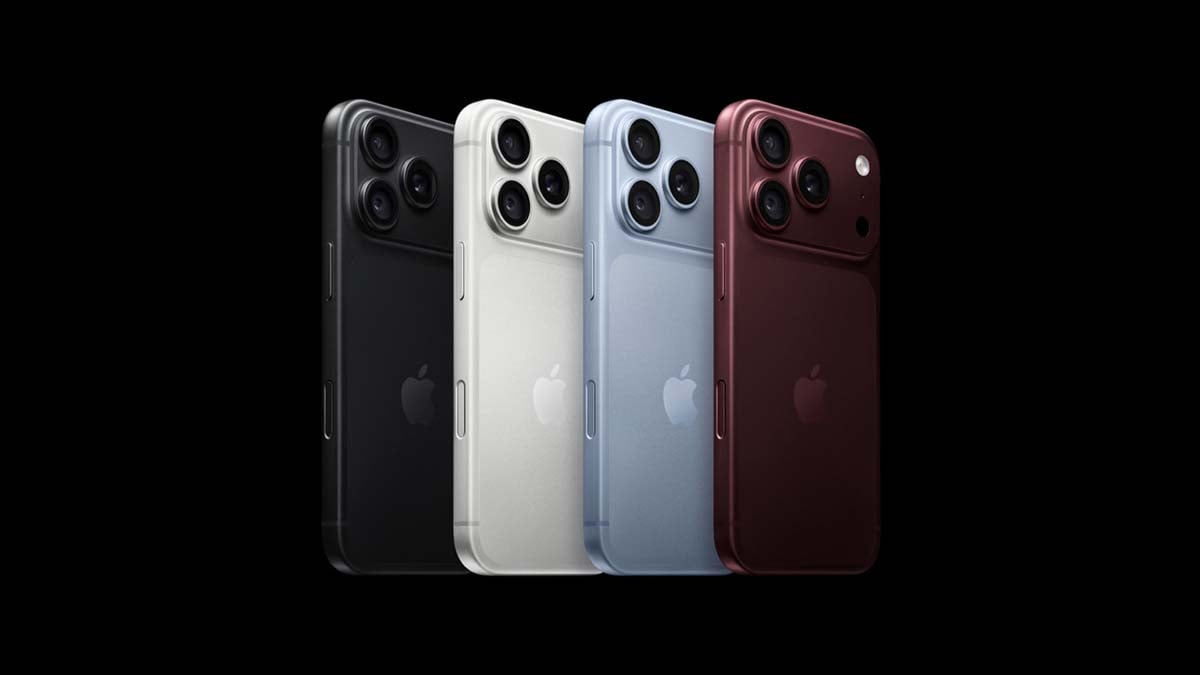
Apple is facing a memory squeeze that could make the iPhone lineup even more expensive to build, while Samsung is caught in the same supply crunch it is helping create.
According to the info (via SemiconductorX), Apple has accepted higher memory prices for its devices to be supplied by Samsung Electronics. While Samsung is set to print more money, its MX Division could feel the pressure too.
For Q1 2027, Apple has reportedly agreed to pay Samsung nearly $2.0 per Gb for DRAM and $0.33 per Gb for NAND flash memory. This represents a 30% to 40% increase compared to the quotes for the third quarter of this year.
Samsung, SK Hynix, and Micron are prioritizing high-margin server DRAM and HBM, leaving smartphone makers with less room to secure conventional memory at attractive prices.
Meanwhile, Q3 2026 price quotes for Samsung show: LPDDR4X at approximately $1.4/Gb, up 3% QoQ; LPDDR5X at approximately $1.5/Gb, up 5% QoQ; and NAND flash at approximately $0.26/Gb, up 8% QoQ.
Forecasts suggest memory demand will continue growing much faster than supply into 2027, keeping pressure on smartphone makers well beyond the iPhone 18 generation.

Samsung’s semiconductor business benefits from stronger memory pricing, particularly as AI demand drives HBM and server memory sales. At the same time, its smartphone business has to absorb those higher component costs.
For Samsung, that means higher memory revenue on one side of the business and higher smartphone production costs on the other.
-
 One UI3 days ago
One UI 9.0 Beta and Stable testing on these Samsung devices
-
 Comparison3 days ago
Top 7 camera differences between iPhone 18 Pro Max and Galaxy S26 Ultra
-
 News2 days ago
Samsung Galaxy S26 refurbished phones arrive in Korea
-

 One UI2 days ago
Samsung Galaxy S24 grabs 4 great AI features with One UI 9 Beta 2