
Phones
Samsung flagships could adopt a better 2nm TSMC chip than Apple iPhones, boosting AI and battery life

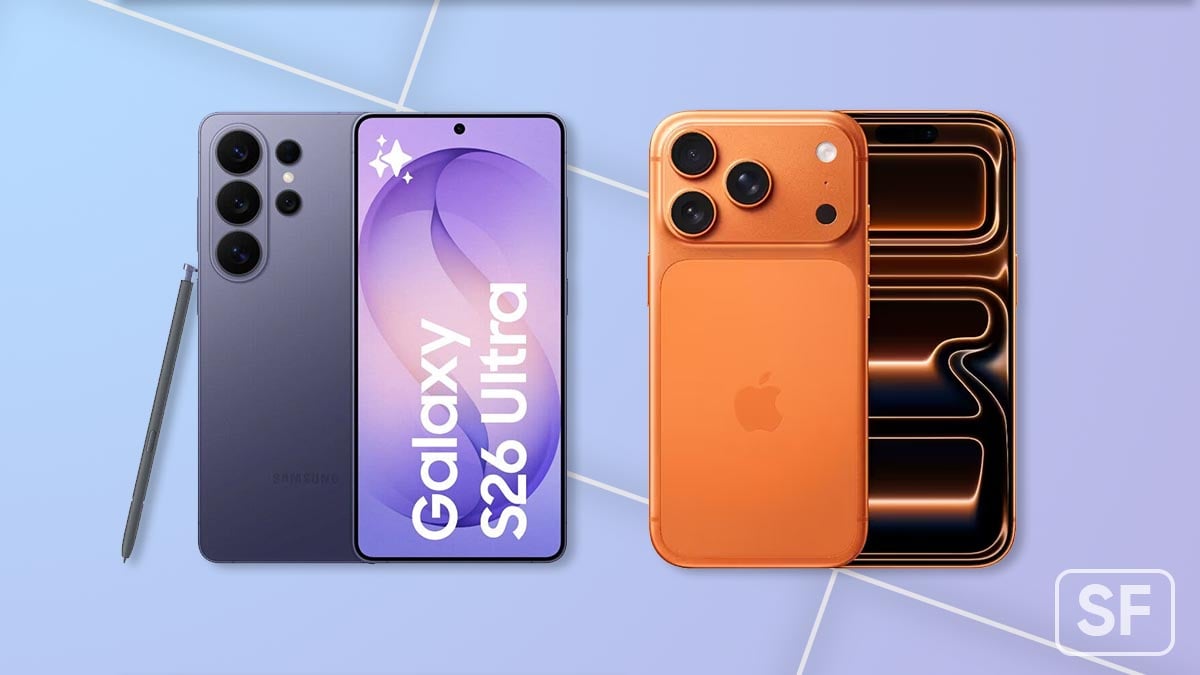
Apple, MediaTek, and Qualcomm are set to unveil their next-gen chips, adopting TSMC’s 2nm process for the first time. This sounds formal until you know that Samsung flagships could be among the Android phones having a better 2nm TSMC chip than the Apple iPhone 18 Pro series.
Information dug by SemiconductorsX reveals that Apple may adopt the standard 2nm node from TSMC for its iPhone 18 Pro chip. Meanwhile, Qualcomm and MediaTek are reportedly eyeing a more advanced 2nm process.
TSMC’s N2 and N2P process
N2 is TSMC’s first-generation 2nm manufacturing process, while N2P is a more advanced and enhanced variant. The Taiwanese foundry giant is said to be kicking off mass production in the second half of the year.
N2P offers better on-device AI and battery life than the N2 version. The gap isn’t huge, but it matters when used on consumer devices. Apple could have opted for the newer iteration, but it’s preferring the base version.
Apple iPhone 18 Pro and Pro Max will be the first to enter the market with TSMC’s first 2nm processor. Android flagships with Qualcomm and MediaTek chips will follow Apple, while bringing a technological edge.
Samsung, in particular, is expected to launch the Galaxy S27 series early next year. The Galaxy S27 Pro and Ultra may launch with Snapdragon 8 Elite Gen 6 worldwide, while the S27 and S27 Plus may have Exynos 2700 in most markets.
Snapdragon 8 Elite Gen 6 is highly anticipated to use TSMC’s N2P process. It will give a clear edge to Samsung flagships over Apple iPhones. Meanwhile, the Exynos 2700 will also adopt Samsung Foundry’s 2nd-gen 2nm process.
Hardware difference matters, but software plays a crucial part in user experience. Apple can still offer better battery life than Android flagships despite using a base 2nm process; it’s all about software optimization and processing.


The Galaxy Z Fold 8 is the newest, most powerful, and stylish foldable phone from Samsung. It has a big folding screen, a slim design, and powerful features. However, a new teardown by iFixit shows that repairing the phone may be very difficult. iFixit gave the Galaxy Z Fold 8 a 4/10 repairability score.
There are a few positive points. Samsung uses common Phillips/JIS screws, so technicians do not need unusual tools. The USB-C charging port is also a separate part and can be replaced without changing the main board.
The battery has also been improved. The new silicon-carbon battery offers about 8.8% more capacity than the Galaxy Z Fold 7. It also has pull tabs that can make battery removal easier. However, reaching one of the two batteries means removing the outer screen. Since the screen is fragile, this repair could easily cause more damage.

The inner folding screen is an even bigger problem. During iFixit’s teardown, the plastic frame around the screen broke, and the delicate OLED display was damaged. The hinge also needs careful attention. Dust, sand, and tiny particles can get inside it despite the phone’s IP4X rating. This could affect the hinge over time.
Another problem is that Samsung combines the inner screen and hinge into one assembly. So, repairing one part may require replacing or removing a much larger section of the phone. The Galaxy Z Fold 8 may be a great phone to use, but keeping it in good condition could be more important than ever.

Samsung Galaxy Z Fold 8 Ultra has captured the beauty of the Perseid meteor shower over Dangpo Fortress in Yeoncheon, Gyeonggi Province, South Korea.
The photograph was taken in the early hours of August 13 using the phone’s Expert RAW mode. It is a combination of three photographs, showing bright meteors moving across the dark night sky.
The Perseid meteor shower is one of the most popular meteor showers of the year. It happens when Earth passes through dust and small pieces of rock left behind by Comet Swift-Tuttle. When these particles enter Earth’s atmosphere at high speed, they burn and create bright streaks of light, often called shooting stars.

Image via ETNEWS
The image highlights the camera capabilities of the Samsung Galaxy Z Fold 8 Ultra. Using Expert RAW mode, the phone was able to capture the faint light of the meteors against the dark sky.
The photograph also shows how smartphone technology is becoming useful for capturing beautiful scenes that were once mainly photographed with professional cameras. With Perseid meteors lighting up the sky, the Samsung Galaxy Z Fold 8 Ultra captured a striking combination of nature, history, and modern technology.

Apple is flexing its iPhone 18 Pro series supply chain muscle, and this time it’s Samsung Display and LG Display feeling the pressure.
According to a new report, Apple has approached both South Korean panel makers with a request to sharply cut OLED prices for the upcoming iPhone 18 lineup, even as it dangles a bigger order volume as a sweetener.
Is Apple eyeing Samsung’s memory profits?
Apple is reportedly pushing for a price of around $70 per panel for the Pro Max variant, down roughly 36% from the near $110 it paid for the current generation.
Related post: Apple is paying less than ever for iPhone 18 Pro OLED displays
In exchange, Apple has offered to bump order volumes by 30 percent to 40 percent. On paper, that sounds like a fair trade, but the math doesn’t quite add up for the suppliers.
Even with a 35 percent volume increase, a price cut of that scale still translates to around a 14 percent drop in total revenue compared to the previous cycle, and that’s before accounting for higher production and yield costs.
Apple is dealing with a sharp spike in memory chip prices, as vendors redirect capacity toward AI-focused HBM production. The company appears to be offsetting that hit by leaning on displays, an area where it holds significant leverage.
LG Display looks more exposed here since its mobile OLED business is heavily tied to Apple. Samsung Display isn’t immune either, but its broader portfolio spanning IT OLED for tablets and laptops gives it more cushion.
An industry official stated, “The surge in memory prices is spreading cost pressures across the entire smartphone supply chain. Under cost-reduction pressures from major end-device manufacturers, it will be difficult for display makers to reject price-cut demands from a massive client like Apple.”

Google has brought two new features with the Pixel 11 series: HiLight and Extreme Charging Mode. These features are designed to make the phones easier and more useful in daily life.
HiLight is available on the Pixel 11 Pro, Pro XL, and Pro Fold. It uses small LED lights placed near the camera flash. When the phone is kept face down, the lights can glow when a favorite contact calls.
HiLight can also work with Google’s AI assistant, Gemini. The lights can show when Gemini hears you, is thinking, or is giving a response. Users can turn these lights on or off in the phone settings.

Google says HiLight will also work with messages in the future. However, the company has not said when this feature will arrive. Support for other apps is also not confirmed yet.
The Pixel 11 series also gets Extreme Charging Mode. This setting gives more of the phone’s resources to charging, helping users get a quick battery boost when needed. Google has not yet explained exactly how much faster the phone will charge with this mode.
Regular wired charging speeds remain the same. The Pixel 11, Pro, and Pro Fold support 30W charging, while the Pro XL supports 45W. All models now support 25W Qi2.2 wireless charging and PixelSnap magnets. These features add useful improvements to the Pixel 11 series.

Google has introduced several new camera and video features with the Pixel 11 series. The company has improved the camera hardware and added new AI-powered tools to make photography and videography easier and better.
The Pixel 11 and Pixel 11 Pro Fold come with a new 48MP main camera sensor. Google says the new sensor can capture 56% more light than the previous models. This should help users take brighter and clearer photos, mainly in low-light conditions.
The Pixel 11 Pro and Pro XL also get a new main camera sensor and a 48MP telephoto camera with 5x optical zoom. The telephoto camera can capture more light and offers up to 120x zoom with AI support.

Google has also improved Night Sight. On the Pixel 11 and Pro Fold, Night Sight is said to be 56% better. The Pro models get a new Instant Night Sight feature, which can take night photos up to 4.5 times faster.
Another new feature is Camera Looks. It lets users choose different photo styles, such as Natural, Shadows, and Vanilla, before taking a picture. Users can also adjust these styles according to their preferences.
Video recording has received major improvements as well. The Pro models support Video Boost up to 8K and a new Pro Stable Video feature for smoother videos while walking, running, or moving. The Pixel 11 series also supports 4K portrait video with a blurred background.
For content creators, Google has added a new Creator Suite with a teleprompter, storyboard tools, audio checks, and social media framing guides. The new Magic Capture feature can record video and automatically select the best moments as high-quality photos. Circle to Search is also available directly in the camera app.
Pixel 11 brings several useful camera and video upgrades to make it a stronger choice for both photography and content creation.
-
 One UI2 days ago
Samsung releases first official One UI 9-based update for Galaxy Z Fold 8 phones in more countries
-
 Updates3 days ago
Google Play System August 2026 update brings new features and improvements
-
 One UI2 days ago
One UI 9 introduces a new Chopin ringtone for Samsung devices
-
One UI2 days ago
Samsung One UI 9.0 Beta 5 took a month to arrive, bringing these changes to Galaxy S26 users