
News
Samsung TriFold phone gets official name and launch window


Samsung has just outlined its H2 2025 plans, which include the launch of a TriFold phone. It will be the company’s wildest smartphone yet, featuring a massive display that can be folded twice, and the device becomes like a bar phone.
The South Korean tech giant has been working on a tri-fold smartphone for quite some time. The earnings call revelation suggests that the first Samsung TriFold phone is all set to launch in the second half of the year.
Earlier, Samsung filed a “TriFold” trademark to secure the name for a potential device. It’s going to be a basic naming scheme rather than something else that could have been more promising for such a futuristic yet innovative product.
Samsung disclosed that its MX Business flagged a decline in shipments QoQ. In the first quarter, the company introduced the Galaxy S25 series, which secured massive sales around the world, but seemingly, the S25 Edge didn’t do well.
While the sales declined QoQ, Samsung’s profit increased on a year-on-year basis. The company highlighted strong sales of the Galaxy S25 series, mid-range Galaxy A series smartphones, as well as the Galaxy Tablets.
In the current half, Samsung will keep focusing on sales of the Galaxy S and Galaxy Z phones. To solidify the growth potential, new products will be introduced, including extended reality (XR) and TriFold devices.
“The Mobile eXperience (MX) and Networks businesses posted KRW 29.2 trillion in consolidated revenue and KRW 3.1 trillion in operating profit for the second quarter,” Samsung announced in its earnings press release.







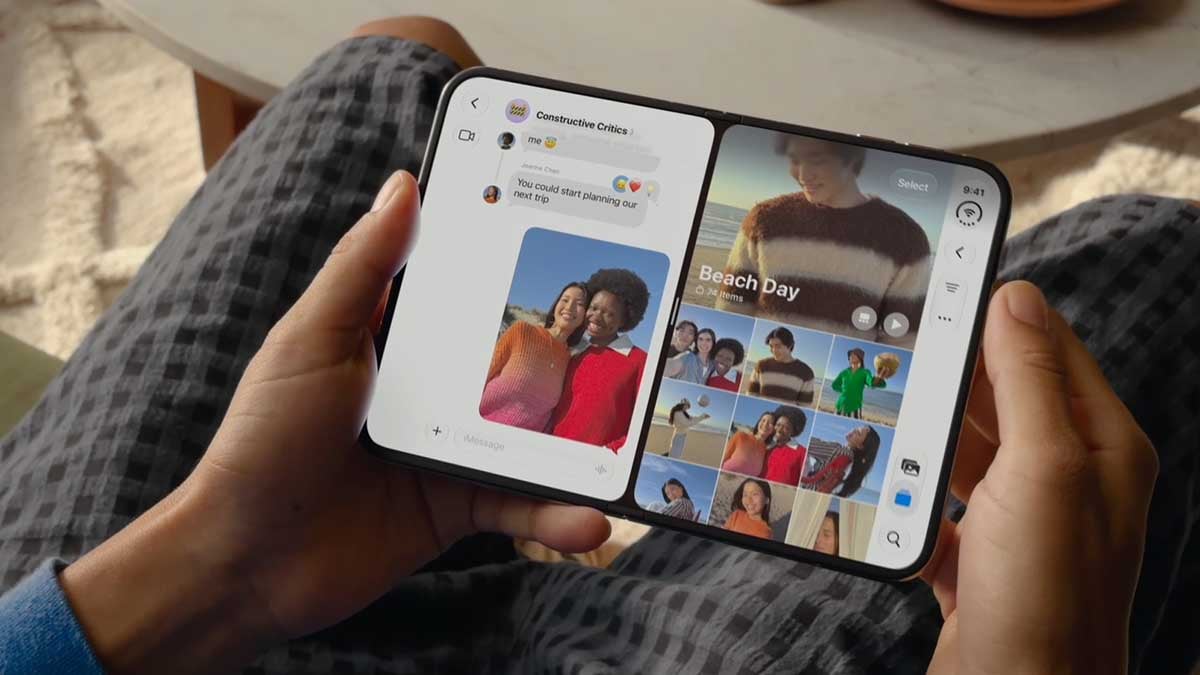
The iPhone 18 Pro and iPhone Duo could turn into a significant business boost for Samsung, and not because Samsung is selling more Galaxy phones. The opportunity sits inside the displays powering Apple’s newest devices.
Samsung Display and LG Display are increasing OLED panel production for Apple’s new iPhone 18 Pro series and iPhone Duo foldable phone.
Panel orders generally reach their strongest levels toward the end of the year, which could make the fourth quarter particularly important for both display makers.
Samsung Display and LG Display are both supplying OLED panels for the iPhone 18 Pro and iPhone 18 Pro Max. The supply mix is reportedly changing, however, with China’s BOE no longer participating in the Pro models after reportedly struggling to satisfy Apple’s requirements for its advanced LTPO Plus technology.

For Samsung Display, though, Apple’s first foldable iPhone could be the bigger opportunity. Samsung Display is reportedly set to exclusively supply OLED panels for the device under a three-year agreement.
Industry estimates cited in the report put the two panels together at around $330 per iPhone Duo, compared with roughly $70 for an iPhone 18 Pro Max display.
Counterpoint Research expects global foldable panel shipments to reach 27.5 million units in 2026, up 24% year over year, while the market’s value is projected to grow 48% to $4.4 billion.
Samsung Display is already expecting stronger second-half results, with analysts estimating operating profit of around 2 trillion to 3 trillion won. The company has also resumed mobile OLED investment by planning a new production facility at its Asan complex.
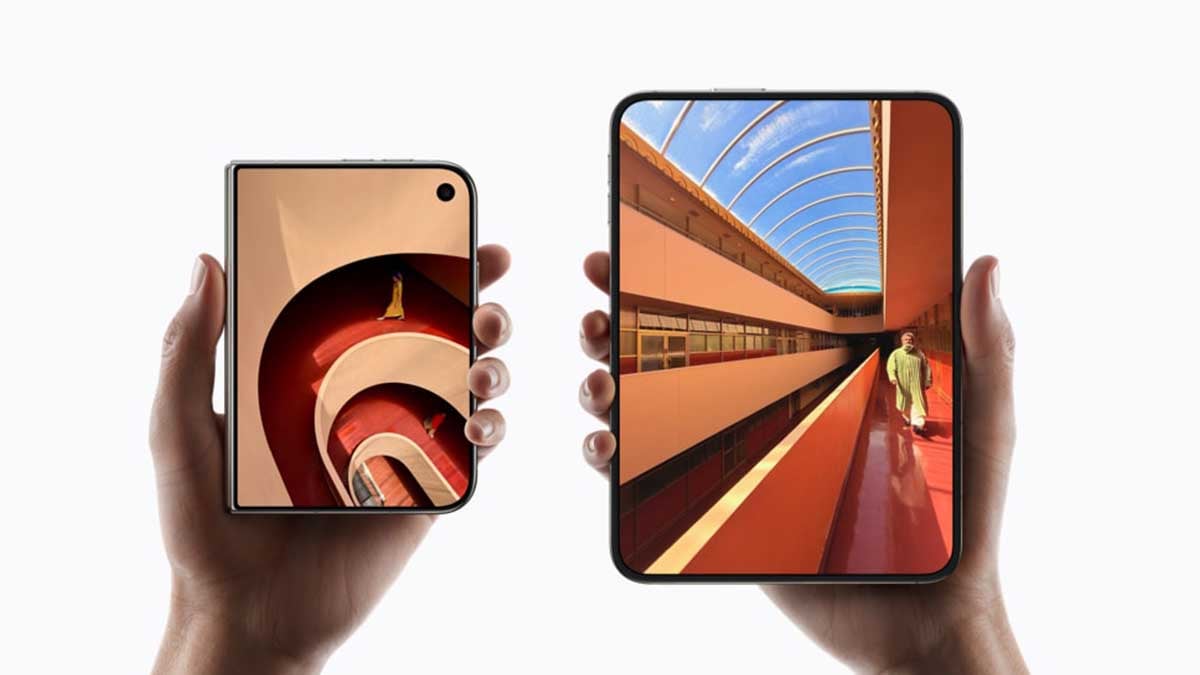
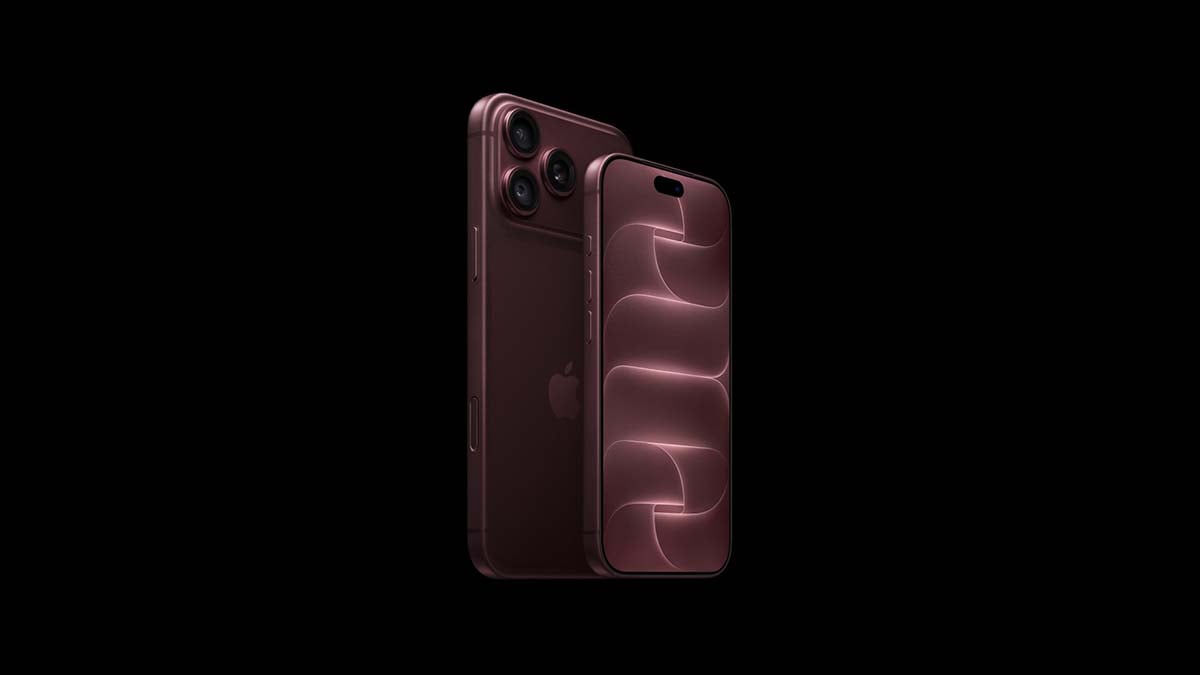
Apple iPhone 20 series may not introduce the advanced display technologies it was earlier intended to feature. A new industry report claims that the company has revised its plans and postponed the adoption of COE and LTPO+ panels.
According to ETNews, Apple appears to have canceled COE and LTPO+ display technologies for the iPhone 20 series. It seems the iPhone maker decided not to pursue these advanced panels due to a technological maturity factor.
Another reason is said to be the memory crunch. Apple has already raised iPhone 18 Pro prices by $100, and utilization of advanced display technologies will further ramp up the bill of materials and ultimately the production cost.
Recently, a Chinese leaker revealed the display sizes, a smaller Dynamic Island, and a 4-curved design for the iPhone 20 series. The next year’s iPhones may appear a bit bigger than their predecessors due to new panels.
Apple might be sticking with its plans to ship iPhone 20 Pro and Pro Max with four-sided curved display panels. However, the advanced OLED technologies, such as COE and LTPO+, will likely be skipped in next year’s models.
Additionally, Apple is said to have not decided when to adopt COE and LTPO+ OLED.
COE is a technology that integrates the polarizer directly into the panel to improve display efficiency. LTPO+ replaces LTPO driving transistors with oxide, reducing the number of excimer laser annealing (ELA) processes and enhancing power efficiency.
In addition, industry insiders assume that while Apple wants technologies that are a step ahead of existing COE and LTPO, the material and process technologies have not yet reached the expected level of maturity.
An industry insider noted, “If Apple delays the introduction of new display technologies, the opportunity for panel makers that have been preparing for them to supply high-value-added panels will be pushed back. It certainly isn’t welcome news given that they have already proceeded with facility investments.”

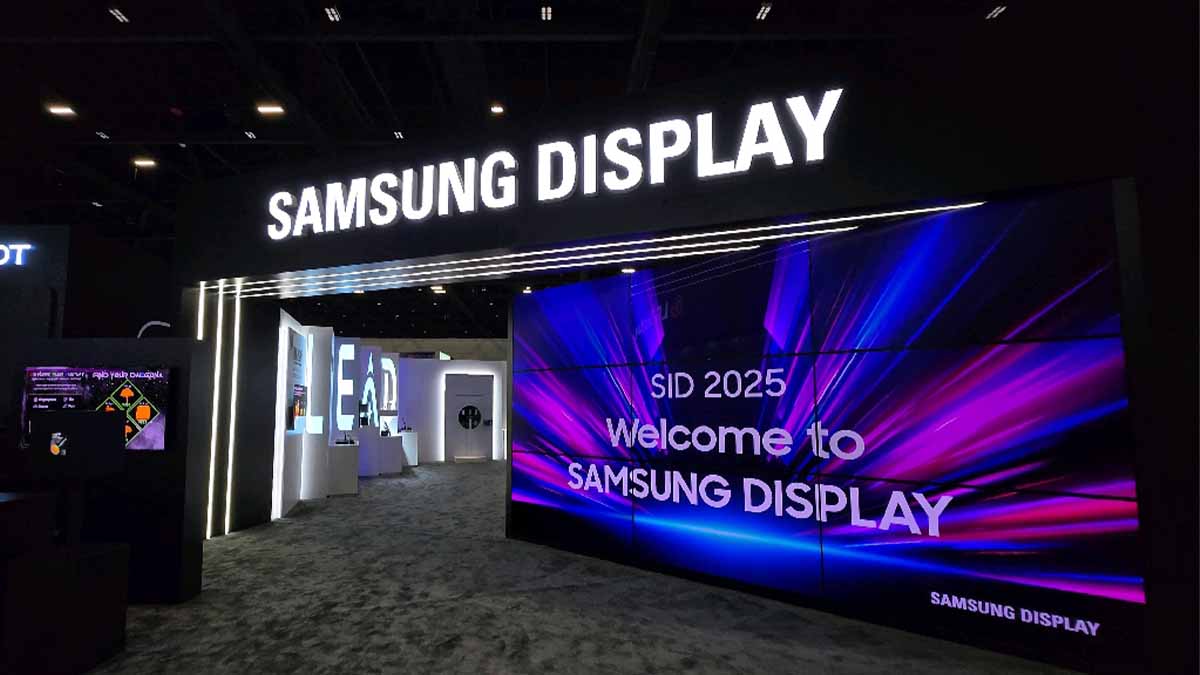
Samsung Display is preparing to take its 12-inch RGB OLEDoS technology into mass production, with 2028 emerging as the target year.
The company is expected to review the investment this month. The planned production capacity is about 3,000 wafers per month. It may build the new production line at its A2 facility, which already has a 12-inch WOLEDoS line.
About 150 billion won of the investment could be spent on deposition equipment. Sunik System has reportedly been chosen to supply this equipment after competing with Japan’s Canon Tokki.
RGB OLEDoS is difficult to manufacture because red, green and blue OLED materials must be placed directly on very small pixels. The equipment must align the mask and silicon wafer with very high accuracy.
Samsung Display is expected to order the equipment in the fourth quarter. Equipment installation could begin in 2027, with mass production targeted for 2028.
However, scaling the technology to 12-inch wafers presents manufacturing challenges, including precise mask alignment, thermal control, and uniform OLED deposition. Samsung Display has been developing RGB OLEDoS since acquiring US microdisplay company Imagine in 2023.
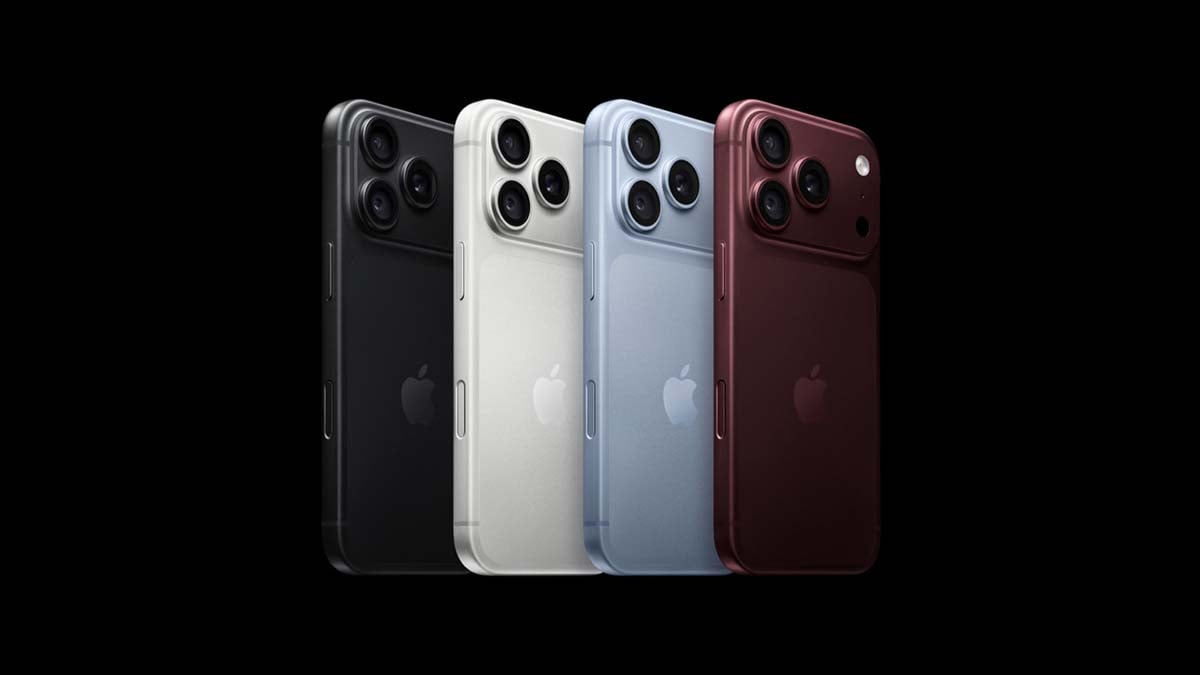
Apple is facing criticism in South Korea for not sharing iPhone users’ location with police and rescue teams when someone else reports an emergency. Around 10 million people in South Korea use iPhones. If an iPhone user goes missing, has an accident, or cannot call for help, their family or friends can contact the police.
However, Apple reportedly does not provide the user’s location when the request comes from another person. Apple says it follows its global privacy policy.
Samsung and Xiaomi phones reportedly provide location information in similar emergency situations.
South Korean police and firefighters receive hundreds of thousands of such requests every year. The National Police Agency received more than 265,000 requests in 2023, over 268,000 in 2024, and more than 273,000 in 2025.
For iPhone users, authorities can get some location information through mobile phone companies. But this information is usually based on nearby mobile towers, which can cover large areas. This makes it difficult for rescue teams to find a missing person, mainly in cities with tall buildings.
Authorities have asked Apple to provide more device information to help them identify iPhone users and plan searches more effectively.
Apple has increased the emergency location sharing time from five minutes to 30 minutes. However, officials say this does not solve the problem of emergency requests made by family members or friends.
South Korean lawmakers are now calling for stronger action from the government to work with Apple and improve the emergency rescue system.
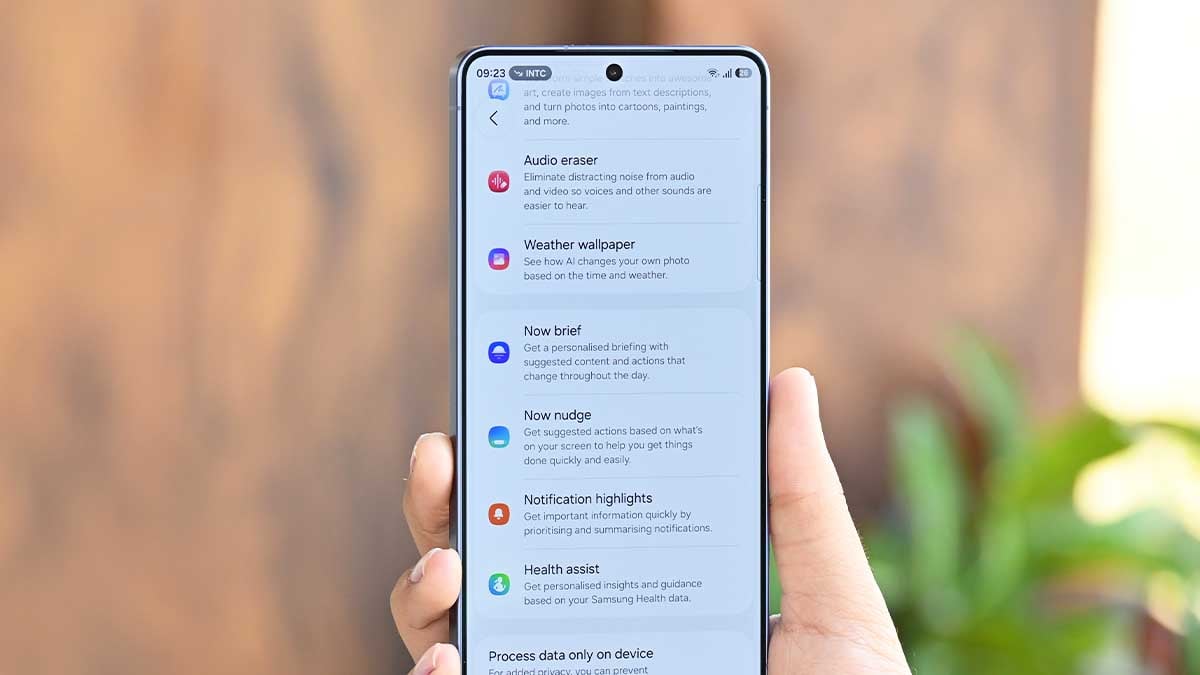
Samsung is quietly making Galaxy AI usage more transparent inside Samsung Notes. The latest Samsung Notes app update adds an “AI watermark” that tells users when text has been processed or generated with Samsung’s artificial intelligence tools.
The change arrives with Samsung Notes version 4.4.48.15, although it is far less noticeable than the term “watermark” might suggest.
A small label with a clear purpose
Samsung Notes already offers several Galaxy AI-powered features, including spelling and grammar corrections, automatic formatting, summarization, and translation.
Following the update, the result preview now includes the message “This text was generated using AI” underneath AI-processed content, as per SamMobile.
The label appears before users accept the suggested result, making it clear that Galaxy AI was involved in producing or modifying the text.
This approach is different from Samsung’s AI image labeling. The company already adds visible AI markings to images created through tools such as Creative Studio and its wallpaper generation features.
In Notes, Samsung has instead chosen a lightweight disclosure that does not interfere with the actual text.
Samsung is expanding AI transparency
The move fits with Samsung’s broader push to make Galaxy AI features more identifiable across its devices. As AI-generated and AI-assisted content becomes increasingly common, these small disclosures can help users understand where automation has been involved.
Importantly, the new Notes label does not appear to be an embedded watermark inside the text itself. That means it should not fundamentally change how copied or shared note content looks.
Samsung could eventually extend similar disclosures to more Galaxy AI writing features across One UI, particularly as the company adds more generative tools to Samsung Notes and other first-party apps.
For now, it is a small change, but one that makes Galaxy AI’s involvement easier to recognize.
-
 News3 days ago
Galaxy S25 and S25 FE deal prices revealed for Flipkart Big Billion Days
-
 Comparison3 days ago
iPhone 18 Pro Max vs Galaxy S26 Ultra: Which phone is really faster?
-

 One UI24 hours ago
Second One UI 9 Beta now rolling out to the Galaxy A35
-
 One UI2 days ago
PSA: One UI 9.0 Global rollout starts September 21